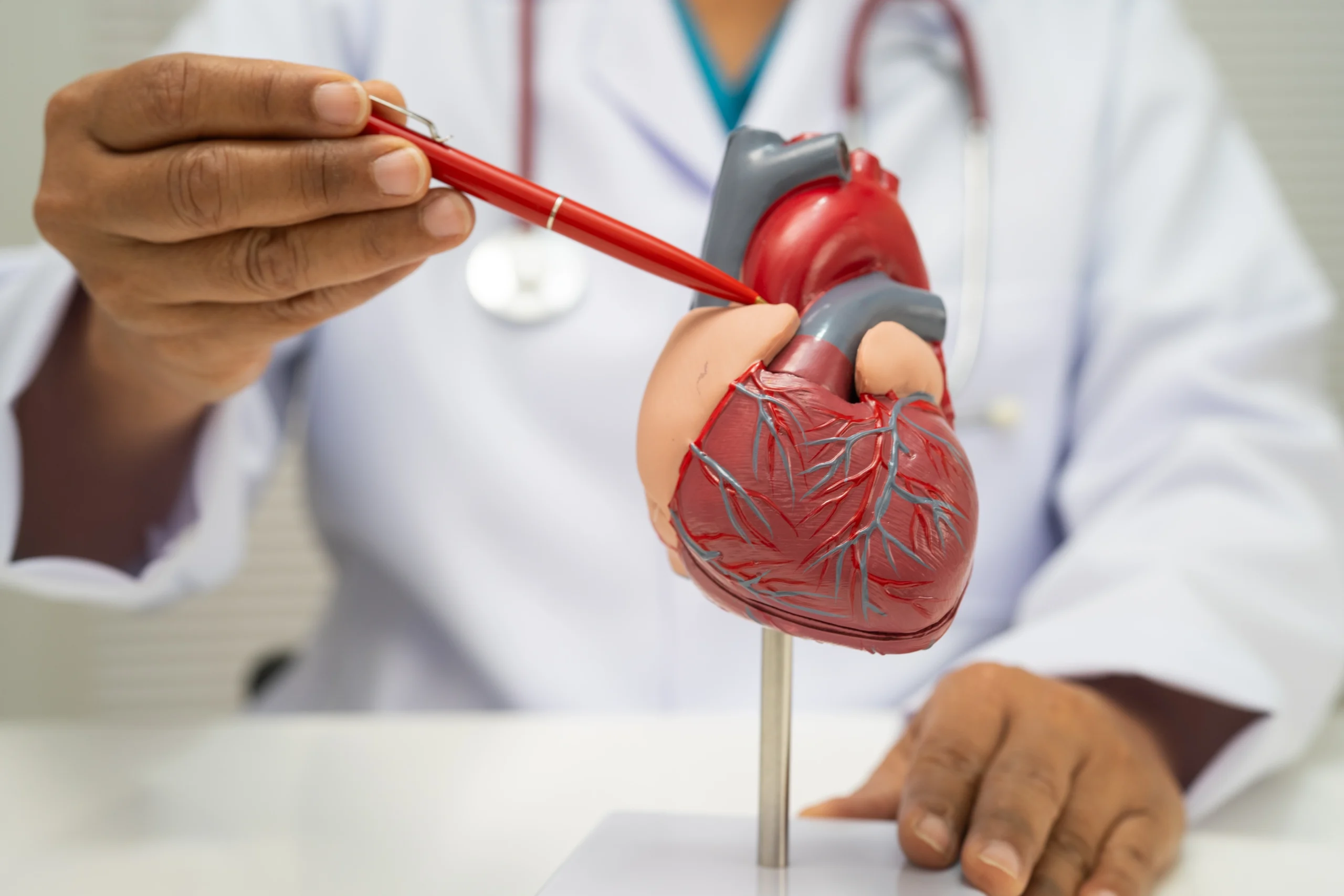
Pacemaker Cost in Thane
Heart rhythm problems can affect a person’s overall health, energy levels, and quality of life. Conditions such as slow heartbeat, irregular heart rhythm, and heart block may require advanced cardiac treatment, including pacemaker implantation. One of the most common concerns among patients and families is understanding the pacemaker cost in Thane and the factors influencing the overall treatment expenses.
A pacemaker is a life-saving medical device that helps regulate abnormal heart rhythms and ensures the heart beats properly. Modern pacemaker procedures are highly advanced, minimally invasive, and offer excellent long-term outcomes for patients suffering from cardiac rhythm disorders.
At Horizon Naupada Hospital, patients receive comprehensive cardiac care supported by experienced cardiologists, advanced diagnostic facilities, and modern treatment infrastructure. This detailed guide explains everything you need to know about pacemaker implantation, including costs, procedure types, benefits, recovery, and important factors affecting treatment expenses.
What is a Pacemaker?
A pacemaker is a small electronic device implanted under the skin near the chest to help control abnormal heart rhythms. It sends electrical signals to the heart to maintain a proper heartbeat.
The device consists of:
- A pulse generator
- Electrical wires called leads
- A battery-powered system
Pacemakers are commonly used to treat conditions where the heart beats too slowly or irregularly.
Why is a Pacemaker Needed?
Doctors may recommend pacemaker implantation for patients experiencing:
Bradycardia
A condition where the heart beats too slowly, reducing blood flow to the body.
Heart Block
Electrical signals between the upper and lower chambers of the heart become partially or completely blocked.
Arrhythmias
Irregular heart rhythms that affect normal heart function.
Heart Failure
Some advanced pacemakers help improve coordination between heart chambers in heart failure patients.
Fainting Episodes
Frequent dizziness or fainting due to abnormal heart rhythms may require pacemaker support.
Pacemaker Cost in Thane
The pacemaker cost in Thane can vary significantly depending on the type of pacemaker, hospital facilities, surgeon expertise, and patient health condition.
Average Pacemaker Cost in Thane
| Type of Pacemaker | Estimated Cost Range |
| Single Chamber Pacemaker | ₹80,000 – ₹1,80,000 |
| Dual Chamber Pacemaker | ₹1,50,000 – ₹3,50,000 |
| CRT / Biventricular Pacemaker | ₹3,50,000 – ₹5,50,000 |
| Leadless Pacemaker | ₹8,00,000 – ₹12,00,000+ |
The final treatment cost may vary based on individual patient requirements and hospital infrastructure.
Factors Affecting Pacemaker Cost in Thane
Several important factors influence the overall treatment expenses.
1. Type of Pacemaker
Different pacemakers have different pricing structures based on technology and complexity.
Single Chamber Pacemaker
Uses one lead connected to the heart.
Dual Chamber Pacemaker
Uses two leads to coordinate heart rhythm more effectively.
CRT Pacemaker
Used in advanced heart failure patients for synchronized heart pumping.
Leadless Pacemaker
A newer minimally invasive device without traditional leads.
2. Brand and Technology
Imported and technologically advanced pacemakers generally cost more than standard models.
Factors include:
- Battery life
- MRI compatibility
- Smart monitoring features
- Device durability
3. Cardiologist’s Expertise
Experienced cardiac specialists and electrophysiologists may charge higher professional fees due to their expertise and success rates.
4. Hospital Facilities
Advanced hospitals offering:
- Modern cath labs
- Cardiac ICU
- Emergency cardiac support
- Advanced monitoring systems
may have higher treatment costs.
5. Patient’s Health Condition
Patients with diabetes, kidney disease, heart failure, or other complications may require additional care, investigations, and prolonged hospitalization.
6. Diagnostic Tests
Pre-surgery investigations may include:
- ECG
- 2D Echo
- Holter monitoring
- Blood tests
- Chest X-ray
These investigations contribute to the total treatment cost.
7. Hospital Stay Duration
Longer hospital stays increase:
- Room charges
- Nursing care costs
- Medication expenses
Types of Pacemakers
Understanding the different types of pacemakers helps patients better understand treatment options.
Single Chamber Pacemaker
This pacemaker uses one lead connected to either the upper or lower heart chamber.
Recommended For:
- Mild rhythm abnormalities
- Certain bradycardia cases
Dual Chamber Pacemaker
This device uses two leads to coordinate signals between heart chambers.
Benefits:
- More natural heart rhythm
- Better coordination of heartbeats
- Improved heart function
CRT Pacemaker (Cardiac Resynchronization Therapy)
Used mainly in heart failure patients.
Benefits:
- Improves pumping efficiency
- Reduces heart failure symptoms
- Enhances quality of life
Leadless Pacemaker
A compact device implanted directly into the heart without leads.
Advantages:
- Smaller incision
- Lower infection risk
- Faster recovery
However, leadless pacemakers are more expensive than traditional devices.
Symptoms That May Indicate the Need for a Pacemaker
Patients should consult a cardiologist if they experience:
- Slow heartbeat
- Dizziness
- Frequent fainting
- Fatigue
- Shortness of breath
- Chest discomfort
- Palpitations
- Reduced exercise tolerance
Early diagnosis can help prevent serious cardiac complications.
Diagnosis Before Pacemaker Implantation
Before recommending pacemaker surgery, doctors perform detailed evaluations.
ECG (Electrocardiogram)
Records electrical activity of the heart.
Holter Monitoring
Monitors heart rhythm continuously over 24–48 hours.
Echocardiography
Assesses heart structure and pumping function.
Stress Test
Evaluates heart performance during physical activity.
Blood Tests
Help assess overall health before surgery.
Pacemaker Implantation Procedure
Pacemaker implantation is generally considered a minimally invasive cardiac procedure.
Step 1: Anaesthesia
Local anaesthesia and mild sedation are usually administered.
Step 2: Small Chest Incision
A small incision is made below the collarbone.
Step 3: Lead Placement
Thin wires are guided through blood vessels into the heart.
Step 4: Device Implantation
The pacemaker generator is placed under the skin.
Step 5: Testing
Doctors test the device to ensure proper functioning.
Step 6: Closure
The incision is closed carefully.
The procedure usually takes 1–2 hours.
Recovery After Pacemaker Surgery
Most patients recover quickly after pacemaker implantation.
Hospital Stay
Patients are usually discharged within 1–3 days.
Activity Restrictions
Patients should avoid lifting heavy objects or excessive arm movement for a few weeks.
Follow-Up Visits
Regular check-ups help ensure the pacemaker functions properly.
Full Recovery
Most patients resume routine activities within a few weeks.
Benefits of Pacemaker Implantation
Pacemakers can significantly improve both survival and quality of life.
Improved Heart Rhythm
Maintains proper heartbeat and blood circulation.
Reduced Symptoms
Helps relieve dizziness, fainting, and fatigue.
Better Energy Levels
Patients often experience increased stamina and improved daily functioning.
Enhanced Quality of Life
Allows patients to return to normal routines and activities.
Prevention of Serious Complications
Reduces the risk of dangerous heart rhythm disturbances.
Risks and Complications of Pacemaker Surgery
Although pacemaker implantation is generally safe, some risks may include:
- Infection
- Bleeding
- Lead displacement
- Blood vessel injury
- Allergic reaction
- Device malfunction
- Swelling near the implant site
Choosing an experienced cardiac care centre reduces the chances of complications.
Life After Pacemaker Implantation
Most patients live normal and active lives after pacemaker surgery.
Lifestyle Recommendations
- Attend regular follow-ups
- Take medications as prescribed
- Maintain heart-healthy habits
- Avoid smoking
- Exercise as advised by doctors
Medical Device Awareness
Patients should inform healthcare providers about their pacemaker before undergoing medical procedures.
Does Insurance Cover Pacemaker Cost in Thane?
Yes, many health insurance policies cover pacemaker implantation if medically necessary.
Coverage may include:
- Hospitalization
- Device cost
- Surgeon fees
- ICU charges
- Diagnostic tests
Patients should verify:
- Waiting periods
- Policy exclusions
- Cashless treatment eligibility
How to Choose the Right Hospital for Pacemaker Implantation
Selecting the right cardiac hospital is extremely important for safety and treatment success.
Look for:
- Experienced cardiologists
- Advanced cath lab facilities
- Emergency cardiac care
- ICU support
- Transparent pricing
- Good patient outcomes
- Comprehensive follow-up care
Why Choose Horizon Naupada Hospital for Pacemaker Surgery in Thane?
Horizon Naupada Hospital provides advanced cardiac care supported by modern technology and experienced specialists.
Experienced Cardiology Team
The hospital has skilled cardiac specialists experienced in treating complex heart rhythm disorders.
Advanced Cardiac Infrastructure
Modern diagnostic facilities and advanced cardiac monitoring systems improve treatment precision and patient safety.
Personalized Patient Care
Each patient receives individualized treatment planning based on their heart condition and medical history.
Comprehensive Cardiac Services
From diagnosis to surgery and recovery, complete cardiac care is available under one roof.
Focus on Patient Safety
Strict infection control protocols and advanced monitoring help ensure safe treatment outcomes.
Frequently Asked Questions
Is pacemaker implantation a major surgery?
Pacemaker implantation is considered a minimally invasive procedure and is generally safe.
How long does a pacemaker last?
Most pacemakers last between 7–15 years depending on usage and device type.
Can I live a normal life with a pacemaker?
Yes, most patients return to regular daily activities after recovery.
Is the procedure painful?
Local anaesthesia helps minimize pain during the procedure.
Can elderly patients undergo pacemaker implantation?
Yes, many elderly patients benefit greatly from pacemaker therapy.
Will I need regular follow-up after surgery?
Yes, routine monitoring ensures the pacemaker functions properly.
Conclusion
Understanding the pacemaker cost in Thane helps patients and families make informed decisions regarding cardiac treatment and long-term health management. While the overall cost depends on factors such as device type, hospital infrastructure, and patient condition, choosing an experienced cardiac care centre is essential for safe and successful treatment.
Pacemaker implantation can greatly improve heart function, reduce symptoms, and enhance quality of life for patients suffering from abnormal heart rhythms. With experienced cardiologists, modern cardiac facilities, and comprehensive patient care, Horizon Naupada Hospital offers reliable and advanced pacemaker treatment services in Thane.