Symptoms of Heart Attack in Women: Early Warning Signs Every Woman Should Know
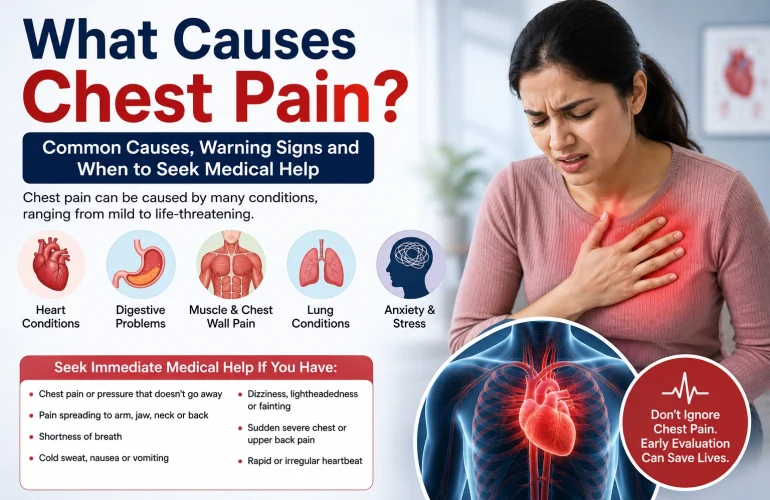
Heart disease remains one of the leading causes of death among women worldwide. Despite this alarming fact, many women are unaware that heart attack symptoms can be significantly different from those experienced by men. As a result, women may delay seeking medical attention, increasing the risk of serious complications and even death.
Understanding the symptoms of heart attack in women is essential for early recognition and timely treatment. While chest pain is a common warning sign, women often experience less obvious symptoms that may be mistaken for indigestion, stress, fatigue, or other minor health concerns.
In this comprehensive guide, we will explore the symptoms of heart attack in women, why they differ from men, risk factors, diagnosis, treatment options, and preventive measures to help protect heart health.
What Is a Heart Attack?
A heart attack, medically known as a myocardial infarction, occurs when blood flow to a part of the heart muscle becomes blocked. This blockage is usually caused by the buildup of fatty deposits (plaque) within the coronary arteries.
Without sufficient oxygen-rich blood, heart muscle cells begin to die. Prompt medical treatment is critical to restore blood flow and minimize damage to the heart.
Recognizing the symptoms of heart attack in women early can be life-saving.
Why Heart Attack Symptoms Differ in Women
For many years, heart attack symptoms were primarily studied in men. Research now shows that women often experience different warning signs.
Several factors contribute to these differences:
- Hormonal influences
- Smaller coronary arteries
- Microvascular disease
- Differences in plaque formation
- Unique cardiovascular risk profiles
Because symptoms can be subtle, many women do not realize they are having a heart attack until significant heart damage has already occurred.
Common Symptoms of Heart Attack in Women
Although chest discomfort remains a common symptom, women are more likely than men to experience atypical symptoms.
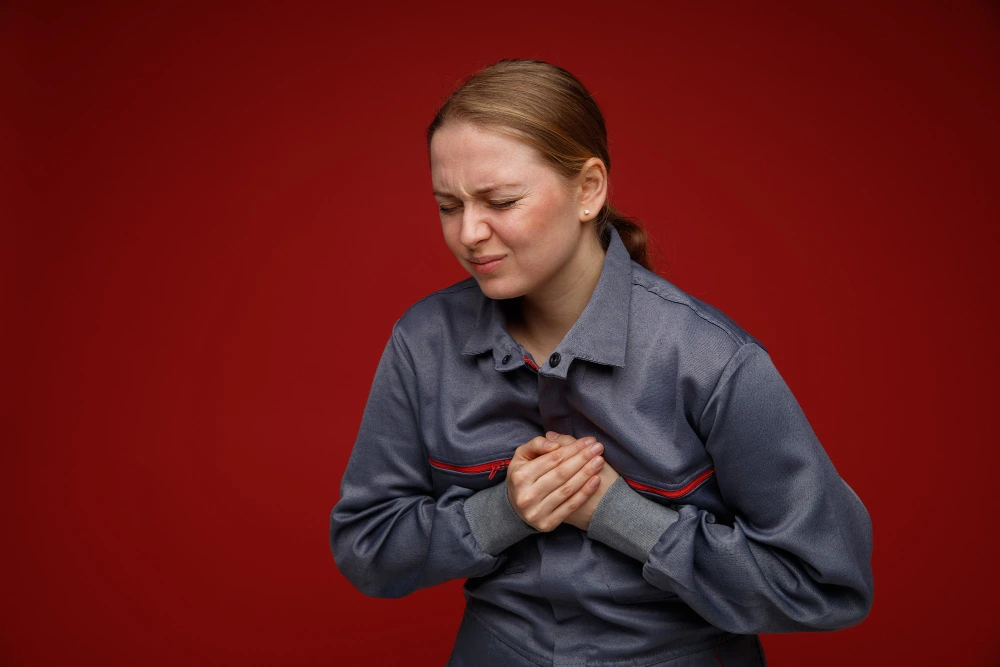
1. Chest Pain or Discomfort
Chest pain remains one of the most recognized symptoms of heart attack in women.
Women may experience:
- Pressure in the chest
- Tightness
- Fullness
- Burning sensation
- Squeezing pain
Unlike the sudden crushing chest pain often seen in men, women may experience milder discomfort that comes and goes.
2. Unusual Fatigue
Extreme and unexplained fatigue is one of the most common early warning signs.
Women often report:
- Feeling exhausted despite adequate rest
- Difficulty completing routine tasks
- Sudden weakness
- Persistent tiredness lasting days or weeks
Fatigue may occur even before chest symptoms appear.
3. Shortness of Breath
Difficulty breathing can occur with or without chest pain.
Symptoms may include:
- Breathlessness during simple activities
- Feeling unable to take a deep breath
- Sudden shortness of breath while resting
This symptom should never be ignored, particularly when it occurs unexpectedly.
4. Pain in the Neck, Jaw, Shoulder, or Back
Women frequently experience pain outside the chest area.
Common locations include:
- Neck
- Jaw
- Upper back
- Shoulders
- Upper arms
The discomfort may feel:
- Achy
- Tight
- Burning
- Pressure-like
Many women mistakenly attribute these symptoms to muscle strain or stress.
5. Nausea and Vomiting
Digestive symptoms are among the lesser-known symptoms of heart attack in women.
Women may experience:
- Nausea
- Vomiting
- Upset stomach
- Indigestion
Because these symptoms resemble gastrointestinal conditions, heart attacks may go unrecognized.
6. Dizziness or Lightheadedness
Reduced blood flow can affect brain function and cause:
- Dizziness
- Faintness
- Lightheadedness
- Loss of balance
These symptoms may occur suddenly and should be evaluated immediately.
7. Cold Sweats
Breaking out into a cold sweat without obvious cause can signal a heart attack.
Women often describe:
- Clammy skin
- Excessive sweating
- Sudden perspiration despite cool temperatures
Cold sweats accompanied by other symptoms warrant emergency attention.
8. Sleep Disturbances
Research suggests that many women experience sleep problems before a heart attack.
These may include:
- Difficulty falling asleep
- Frequent nighttime awakenings
- Unexplained restlessness
- Poor sleep quality
Although often overlooked, sleep disturbances can be an early warning sign.
Comparison: Heart Attack Symptoms in Women vs Men
| Symptom | Women | Men |
| Chest Pain | Common but may be mild | Common and often severe |
| Shortness of Breath | Very common | Common |
| Jaw Pain | More common | Less common |
| Back Pain | More common | Less common |
| Nausea | Frequently reported | Less common |
| Fatigue | Very common | Less common |
| Cold Sweats | Common | Common |
| Indigestion-like Symptoms | More common | Less common |
Understanding these differences helps improve early recognition and treatment.
Silent Heart Attacks in Women
Some women experience a “silent heart attack,” where symptoms are mild or absent.
Possible signs include:
- Mild discomfort
- Unusual tiredness
- Shortness of breath
- Flu-like symptoms
Silent heart attacks can still cause significant heart damage and increase future cardiovascular risk.
Risk Factors for Heart Attack in Women
Several factors increase the likelihood of experiencing a heart attack.
Non-Modifiable Risk Factors
These factors cannot be changed:
- Increasing age
- Family history of heart disease
- Early menopause
- Genetic predisposition
Modifiable Risk Factors
These risk factors can often be controlled:
- High blood pressure
- High cholesterol
- Diabetes
- Smoking
- Obesity
- Physical inactivity
- Chronic stress
- Poor diet
Managing these factors can significantly reduce heart attack risk.
Conditions That Increase Heart Attack Risk in Women
Certain health conditions are particularly important for women.
Diabetes
Women with diabetes have a higher risk of heart disease than men with diabetes.
High Blood Pressure
Uncontrolled hypertension damages arteries and increases the likelihood of heart attack.
Autoimmune Diseases
Conditions such as:
- Rheumatoid arthritis
- Lupus
can increase cardiovascular risk due to chronic inflammation.
Pregnancy-Related Complications
Women with a history of:
- Preeclampsia
- Gestational diabetes
- Pregnancy-induced hypertension
may have a higher risk of future heart disease.
When Should You Seek Emergency Care?
Call emergency medical services immediately if you experience:
- Chest discomfort lasting more than a few minutes
- Sudden shortness of breath
- Jaw, neck, shoulder, or back pain
- Unexplained nausea
- Severe fatigue
- Cold sweats
- Dizziness or fainting
Never wait to see if symptoms improve on their own.
Early treatment can save heart muscle and improve survival.
How Is a Heart Attack Diagnosed?
Healthcare providers use several tests to confirm a heart attack.
Medical Evaluation
The doctor will review:
- Symptoms
- Medical history
- Family history
- Risk factors
Diagnostic Tests
| Test | Purpose |
| Electrocardiogram (ECG) | Detects electrical changes in the heart |
| Blood Tests | Measures cardiac enzymes |
| Echocardiogram | Evaluates heart function |
| Coronary Angiography | Identifies blocked arteries |
| CT Scan | Assesses coronary artery disease |
Rapid diagnosis allows prompt treatment and better outcomes.
Treatment for Heart Attack
Treatment depends on the severity and extent of blockage.
Emergency Treatments
Common treatments include:
- Aspirin
- Blood-thinning medications
- Oxygen therapy
- Pain-relieving medications
Interventional Procedures
Angioplasty and Stenting
A balloon is used to open blocked arteries and a stent is placed to maintain blood flow.
Coronary Artery Bypass Surgery
In severe cases, bypass surgery may be required to restore circulation.
Long-Term Medications
Patients may be prescribed:
- Antiplatelet drugs
- Statins
- Beta-blockers
- ACE inhibitors
These medications help prevent future cardiac events.
Recovery After a Heart Attack
Recovery involves more than healing the heart.
Important aspects include:
- Cardiac rehabilitation
- Lifestyle modifications
- Stress management
- Regular follow-up care
Women should actively participate in rehabilitation programs to improve recovery outcomes.
How Women Can Reduce Their Risk of Heart Attack
Prevention remains the most effective strategy.
Maintain a Heart-Healthy Diet
Focus on:
- Fruits
- Vegetables
- Whole grains
- Lean proteins
- Healthy fats
Limit:
- Processed foods
- Excess salt
- Sugary beverages
Stay Physically Active
Aim for at least:
- 150 minutes of moderate exercise weekly
Examples include:
- Walking
- Cycling
- Swimming
Control Medical Conditions
Properly manage:
- Diabetes
- Hypertension
- High cholesterol
Avoid Smoking
Smoking significantly increases heart disease risk and should be avoided completely.
Manage Stress
Helpful strategies include:
- Meditation
- Yoga
- Deep breathing exercises
- Counseling when needed
Why Choose Horizon Naupada Hospital for Cardiac Care?
At Horizon Naupada Hospital, our experienced cardiology team provides comprehensive cardiac care, from preventive screenings to advanced emergency heart attack treatment. Using modern diagnostic technologies and evidence-based treatment approaches, we are committed to helping patients achieve better heart health and improved quality of life.
Our multidisciplinary approach ensures timely diagnosis, personalized treatment plans, and ongoing support throughout recovery.
Frequently Asked Questions (FAQs)
What are the first symptoms of heart attack in women?
Common early symptoms include unusual fatigue, shortness of breath, chest discomfort, nausea, jaw pain, and back pain.
Can a woman have a heart attack without chest pain?
Yes. Many women experience heart attacks without severe chest pain and instead develop symptoms such as fatigue, nausea, dizziness, or shortness of breath.
Are heart attack symptoms different in older women?
Older women may experience more subtle symptoms, including weakness, confusion, fatigue, or breathlessness rather than classic chest pain.
How long do heart attack symptoms last?
Symptoms may develop suddenly or gradually over hours, days, or even weeks before a heart attack occurs.
What should I do if I suspect a heart attack?
Seek emergency medical attention immediately. Do not drive yourself to the hospital if severe symptoms are present. Early treatment is critical for survival and recovery.
Conclusion
Recognizing the symptoms of heart attack in women can save lives. Unlike men, women often experience subtle warning signs such as unusual fatigue, shortness of breath, nausea, jaw pain, back pain, and sleep disturbances. Because these symptoms can easily be mistaken for less serious conditions, awareness is crucial.
If you or a loved one experiences any potential heart attack symptoms, seek immediate medical attention. Early diagnosis and treatment can significantly reduce heart damage and improve survival rates. By understanding risk factors and adopting a heart-healthy lifestyle, women can take proactive steps toward protecting their cardiovascular health.
Contact Details:
Address: Malati Mohan Bunglow, Telephone Exchange, Mahatma Gandhi Rd, opp. Naupada, Naupada, Thane West, Mumbai, Thane, Maharashtra 400602
Phone: 022 6124 2400
Website: horizonnaupada.com