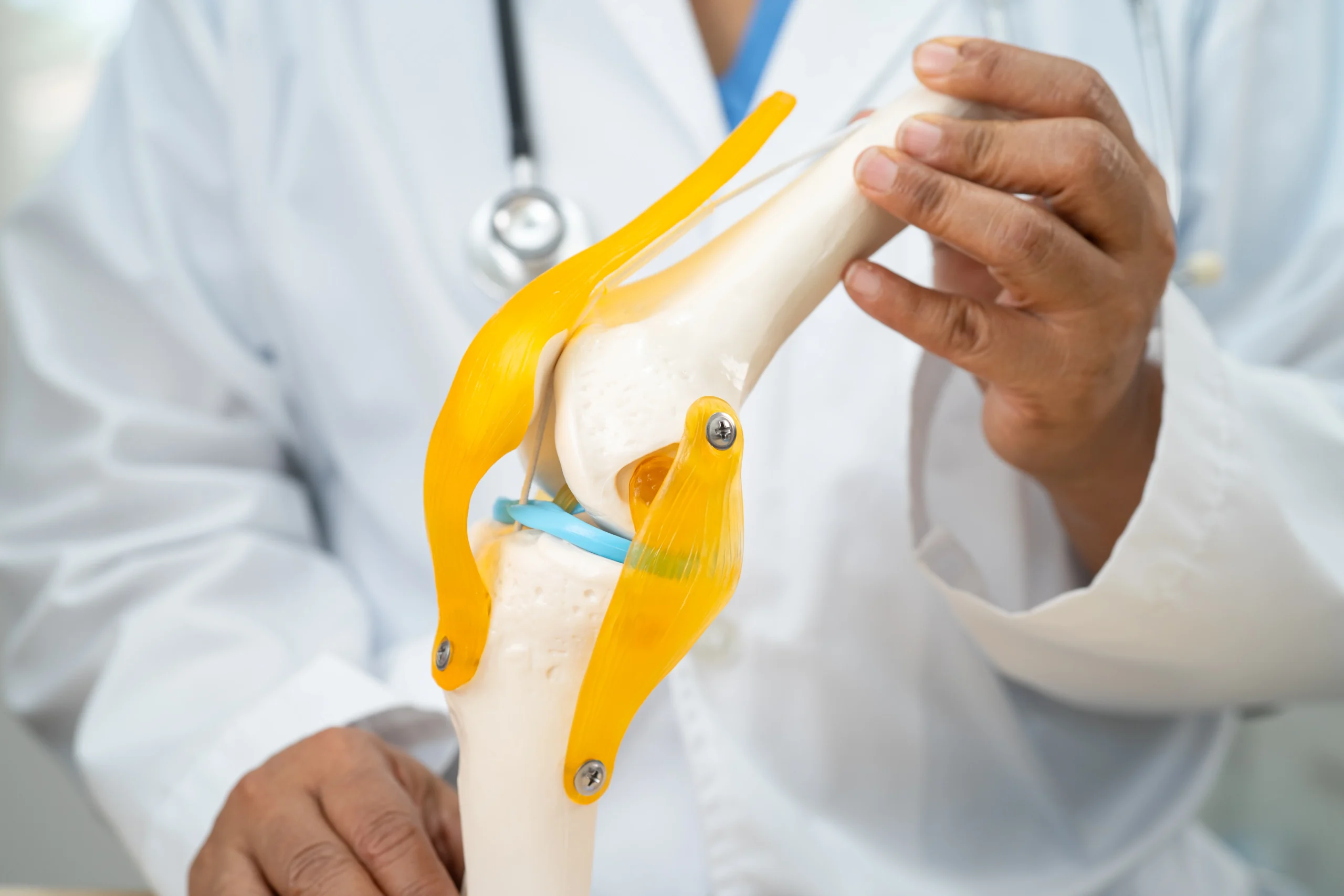
Knee Replacement Surgery Cost in Thane
Knee pain can significantly affect your daily life, making simple activities like walking, climbing stairs, or standing for long periods difficult and painful. For patients suffering from severe arthritis, joint degeneration, or chronic knee injury, knee replacement surgery can provide lasting relief and restore mobility.
One of the most common questions patients ask is about the knee replacement surgery cost in Thane. Understanding the expenses involved helps patients and families plan treatment better and make informed healthcare decisions.
At Horizon Naupada Hospital, patients receive advanced orthopaedic care, experienced surgical expertise, and modern treatment facilities for successful knee replacement procedures. This detailed guide explains everything you need to know about knee replacement surgery, including costs, factors affecting pricing, procedure types, recovery, and benefits.
What is Knee Replacement Surgery?
Knee replacement surgery, also known as knee arthroplasty, is a surgical procedure in which damaged or worn-out parts of the knee joint are replaced with artificial implants.
The surgery is usually recommended when:
- Knee pain becomes severe
- Medicines no longer provide relief
- Walking and movement become difficult
- Arthritis damages the joint extensively
- Quality of life is significantly affected
The artificial knee joint helps restore smooth movement and reduces chronic pain.
Who Needs Knee Replacement Surgery?
A doctor may recommend knee replacement surgery for patients suffering from:
Osteoarthritis
The most common reason for knee replacement. It occurs due to wear and tear of the knee cartilage.
Rheumatoid Arthritis
An autoimmune condition that causes joint inflammation and damage.
Post-Traumatic Arthritis
Joint damage caused by fractures or serious knee injuries.
Severe Knee Deformity
Conditions where the knee becomes bowed or structurally damaged.
Chronic Knee Pain
Pain that limits routine activities despite medications and physiotherapy.
Knee Replacement Surgery Cost in Thane
The knee replacement surgery cost in Thane can vary depending on multiple factors such as hospital facilities, surgeon expertise, implant type, and patient condition.
Average Knee Replacement Surgery Cost in Thane
| Type of Surgery | Estimated Cost Range |
| Total Knee Replacement | ₹2,00,000 – ₹4,50,000 |
| Partial Knee Replacement | ₹1,50,000 – ₹3,50,000 |
| Bilateral Knee Replacement | ₹4,00,000 – ₹8,00,000 |
| Revision Knee Replacement | ₹3,50,000 – ₹7,00,000 |
These are approximate costs and may vary depending on individual medical requirements.
Factors Affecting Knee Replacement Surgery Cost in Thane
Several factors influence the overall treatment cost.
1. Type of Knee Replacement
The procedure may involve:
- Total knee replacement
- Partial knee replacement
- Bilateral knee replacement
- Revision surgery
Complex procedures usually cost more.
2. Implant Quality and Brand
Different implants are available depending on:
- Material quality
- Durability
- Technology
- Imported or Indian brands
Premium implants may increase the overall surgery cost.
3. Surgeon’s Expertise
Highly experienced orthopaedic surgeons with specialized joint replacement expertise may charge higher fees due to their advanced skills and surgical success rates.
4. Hospital Infrastructure
Advanced operation theatres, robotic technology, ICU support, and modern recovery facilities can influence pricing.
5. Patient’s Medical Condition
Patients with diabetes, obesity, heart disease, or other medical complications may require additional investigations and monitoring.
6. Length of Hospital Stay
Longer hospitalization increases room charges, nursing care, and medication costs.
7. Rehabilitation and Physiotherapy
Post-operative rehabilitation is an important part of recovery and may add to the overall expense.
Types of Knee Replacement Surgery
Understanding the different types of procedures helps patients know what treatment may be suitable for them.
Total Knee Replacement (TKR)
In this procedure, the entire damaged knee joint is replaced with an artificial implant.
Recommended For:
- Severe arthritis
- Extensive joint damage
- Chronic pain affecting daily activities
Partial Knee Replacement
Only the damaged portion of the knee is replaced.
Recommended For:
- Localized knee damage
- Early-stage arthritis
- Patients with healthy surrounding tissues
Bilateral Knee Replacement
Both knees are replaced during the same surgical session or separately.
Recommended For:
- Severe arthritis in both knees
- Significant mobility problems
Revision Knee Replacement
This surgery is performed when a previous knee replacement fails or wears out.
Reasons Include:
- Implant loosening
- Infection
- Implant damage
- Persistent pain
Symptoms Indicating You May Need Knee Replacement Surgery
You should consult an orthopaedic specialist if you experience:
- Persistent knee pain
- Swelling and stiffness
- Difficulty walking
- Pain while climbing stairs
- Knee deformity
- Reduced range of motion
- Pain even during rest
- Failure of medications or injections
Early evaluation helps prevent worsening joint damage.
Diagnosis Before Knee Replacement Surgery
Doctors perform several tests before recommending surgery.
Physical Examination
The orthopaedic surgeon assesses:
- Joint movement
- Pain severity
- Swelling
- Knee stability
Imaging Tests
X-rays
Help identify arthritis and joint damage.
MRI Scan
Provides detailed images of soft tissues and cartilage.
Blood Tests
Used to evaluate overall health and detect infections or medical conditions.
Procedure of Knee Replacement Surgery
Understanding the surgical process helps reduce anxiety and prepares patients for treatment.
Step 1: Anaesthesia
The patient receives either general anaesthesia or spinal anaesthesia.
Step 2: Surgical Incision
A small incision is made over the knee.
Step 3: Removal of Damaged Joint
The damaged cartilage and bone are removed carefully.
Step 4: Implant Placement
Artificial metal and plastic components are fixed to recreate the knee joint.
Step 5: Closure
The incision is closed using sutures or staples.
The surgery usually takes 1–2 hours depending on complexity.
Recovery After Knee Replacement Surgery
Recovery is gradual and requires dedication to physiotherapy and rehabilitation.
Immediate Recovery
Patients are encouraged to begin movement within 24 hours after surgery.
Hospital Stay
Most patients stay in the hospital for 3–5 days.
Physiotherapy
Physiotherapy is crucial for:
- Improving mobility
- Strengthening muscles
- Restoring knee function
- Preventing stiffness
Full Recovery Timeline
| Recovery Stage | Approximate Duration |
| Walking with support | 1–3 weeks |
| Resuming daily activities | 4–6 weeks |
| Improved strength and flexibility | 3 months |
| Complete recovery | 6–12 months |
Benefits of Knee Replacement Surgery
Patients undergoing knee replacement often experience major improvements in quality of life.
Pain Relief
One of the biggest advantages is significant reduction in chronic knee pain.
Improved Mobility
Patients can walk, climb stairs, and perform routine activities more comfortably.
Better Quality of Life
Improved independence and physical activity enhance overall well-being.
Long-Term Results
Modern knee implants can last 15–25 years with proper care.
Better Sleep and Mental Health
Reduced pain often improves sleep quality and emotional health.
Risks and Complications
Like any surgery, knee replacement has certain risks, although complications are relatively uncommon when performed by experienced surgeons.
Possible risks include:
- Infection
- Blood clots
- Implant loosening
- Nerve injury
- Persistent stiffness
- Bleeding
- Delayed wound healing
Following medical advice carefully reduces these risks significantly.
Tips for Faster Recovery After Knee Replacement
Patients can improve recovery outcomes by following these recommendations:
- Attend all physiotherapy sessions
- Take medications as prescribed
- Maintain a healthy weight
- Avoid high-impact activities
- Keep the surgical wound clean
- Use walking support as advised
- Follow regular follow-up appointments
How to Choose the Right Hospital for Knee Replacement Surgery
Choosing the right hospital is essential for successful treatment outcomes.
Look for:
- Experienced orthopaedic surgeons
- Advanced operation theatres
- Modern implant technology
- Comprehensive rehabilitation support
- Good patient reviews
- Emergency and ICU facilities
- Transparent treatment costs
Why Choose Horizon Naupada Hospital for Knee Replacement Surgery in Thane?
Horizon Naupada Hospital is known for providing advanced orthopaedic and joint replacement care with a patient-focused approach.
Experienced Orthopaedic Team
The hospital has skilled specialists experienced in managing complex knee replacement procedures.
Advanced Surgical Technology
Modern diagnostic and surgical facilities help improve precision and recovery outcomes.
Comprehensive Patient Care
Patients receive support from diagnosis to rehabilitation under one roof.
Personalized Treatment Plans
Every patient receives customized treatment based on their condition, age, mobility, and lifestyle needs.
Focus on Faster Recovery
Dedicated physiotherapy and rehabilitation programs help patients regain mobility effectively.
Cost Comparison: Knee Replacement vs Delaying Treatment
Many patients postpone surgery due to concerns about the knee replacement surgery cost in Thane. However, delaying treatment may lead to:
- Worsening joint damage
- Increased pain
- Reduced mobility
- Higher dependency
- Muscle weakness
- Additional treatment expenses
Early treatment can improve long-term outcomes and overall quality of life.
Frequently Asked Questions
Is knee replacement surgery painful?
Patients are given anaesthesia during surgery, and modern pain management techniques help minimize discomfort during recovery.
How long does a knee implant last?
Most implants last between 15–25 years depending on patient activity and implant quality.
Can elderly patients undergo knee replacement surgery?
Yes, many elderly patients benefit greatly from knee replacement after proper medical evaluation.
When can I walk after surgery?
Most patients begin walking with support within 24–48 hours after surgery.
Is physiotherapy necessary after surgery?
Yes, physiotherapy is essential for restoring knee strength and movement.
Does insurance cover knee replacement surgery?
Many health insurance policies cover knee replacement surgery. Coverage depends on the individual insurance plan.
Conclusion
Understanding the knee replacement surgery cost in Thane helps patients make informed decisions regarding their treatment and recovery journey. While costs may vary depending on the procedure, implant type, and hospital facilities, choosing an experienced hospital is equally important for successful outcomes.
Knee replacement surgery can significantly improve mobility, reduce chronic pain, and restore independence for patients struggling with severe knee problems. With experienced specialists, advanced facilities, and comprehensive rehabilitation support, Horizon Naupada Hospital provides reliable and compassionate care for patients seeking effective knee replacement treatment in Thane.