Is PMOS Dangerous? Understanding the Risks, Complications and Long-Term Effects
If you have recently been diagnosed with polyendocrine metabolic ovarian syndrome (PMOS), you may naturally wonder, “Is PMOS dangerous?”
PMOS is the new name for the condition that was previously known as polycystic ovary syndrome (PCOS). The name change was introduced internationally in 2026 to better reflect that the condition can affect several aspects of health, not just the ovaries.
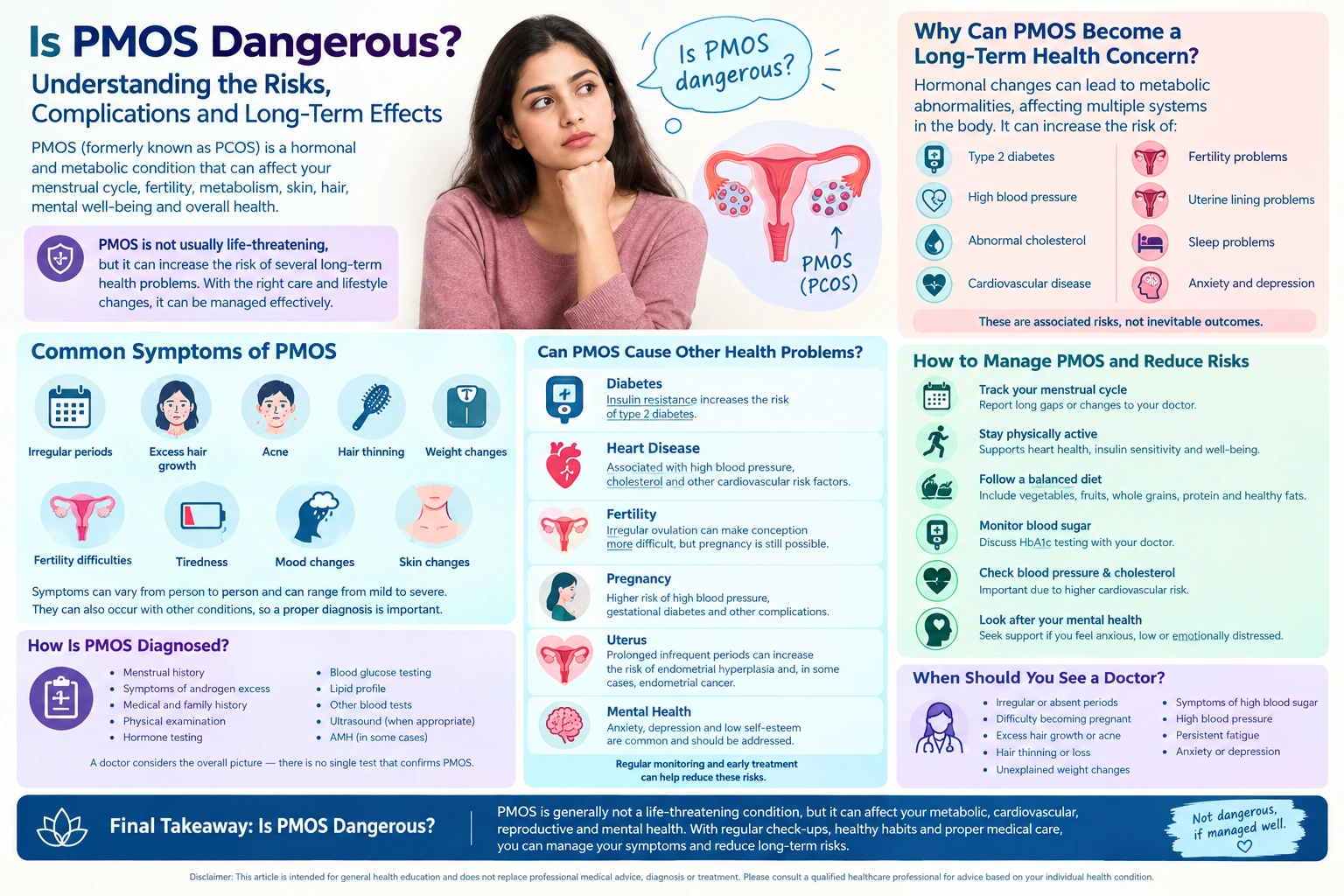
PMOS is a common hormonal and metabolic condition that can affect menstrual cycles, ovulation, fertility, skin, hair, weight, blood sugar regulation and emotional well-being. Most people with PMOS do not develop a life-threatening complication, but the condition is associated with an increased risk of several long-term health problems.
The good news is that PMOS can be managed. Regular medical monitoring, appropriate treatment and sustainable lifestyle measures can help control symptoms and address individual health risks.
Is PMOS Dangerous?
PMOS is not usually considered a life-threatening condition. However, it should not be ignored.
The condition can affect multiple systems in the body. People with PMOS have increased risks of metabolic conditions such as type 2 diabetes and high blood pressure, as well as cardiovascular disease and other health problems.
However, having PMOS does not mean that you will definitely develop these complications.
The level of risk differs between individuals and can be influenced by factors such as:
- Blood sugar levels
- Blood pressure
- Cholesterol levels
- Weight and metabolic health
- Menstrual pattern
- Family history
- Lifestyle factors
- Other medical conditions
- Pregnancy-related health risks
This is why PMOS management should focus on the person’s overall health rather than treating only individual symptoms.
What Is PMOS?
Polyendocrine metabolic ovarian syndrome is a hormonal and metabolic condition that can affect people who have ovaries, particularly during the reproductive years.
PMOS can affect:
- Menstrual cycles
- Ovulation
- Fertility
- Androgen hormone levels
- Blood sugar regulation
- Weight and metabolism
- Skin and hair
- Mental health and emotional well-being
Common symptoms include:
- Irregular periods or long gaps between periods
- Difficulty becoming pregnant
- Excess facial or body hair
- Acne or oily skin
- Hair thinning or hair loss
- Weight gain or difficulty losing weight
- Tiredness
- Mood changes
- Dark, thickened patches of skin, particularly around the neck or armpits
Symptoms can range from mild to severe, and some people may have few noticeable symptoms.
Why Can PMOS Become a Long-Term Health Concern?
PMOS is more than a menstrual or fertility condition.
Hormonal changes can occur alongside metabolic abnormalities, including insulin resistance. The body may have difficulty responding effectively to insulin, which can affect blood glucose regulation.
The international evidence-based guidelines recognise PMOS as a condition with broader metabolic, cardiovascular, reproductive and psychological effects.
Some of the important health concerns associated with PMOS include:
| Potential health concern | How PMOS may be associated |
| Type 2 diabetes | Insulin resistance and impaired glucose regulation |
| High blood pressure | Can occur alongside metabolic risk factors |
| Abnormal cholesterol | PMOS may be associated with an altered lipid profile |
| Cardiovascular disease | Cardiometabolic risk factors are more common |
| Fertility problems | Irregular ovulation can make conception more difficult |
| Uterine lining problems | Long gaps between periods can increase endometrial risk |
| Sleep problems | Sleep apnoea is more common in people with PMOS |
| Anxiety and depression | Psychological symptoms are common and should be assessed |
These are associated risks, not inevitable outcomes.
Can PMOS Cause Diabetes?
One of the most important reasons PMOS requires long-term health monitoring is its relationship with insulin resistance and type 2 diabetes.
Insulin is a hormone that helps the body use glucose for energy. When cells become less responsive to insulin, the body may compensate by producing more insulin. Over time, blood glucose levels may increase.
This means people with PMOS may have a higher risk of developing abnormal glucose regulation and type 2 diabetes.
Depending on an individual’s circumstances, a healthcare professional may recommend monitoring:
- Blood glucose
- HbA1c
- Blood pressure
- Cholesterol and triglycerides
- Weight and waist measurements
The important point is that PMOS does not mean you will definitely develop diabetes. Appropriate monitoring can help identify metabolic changes early.
Does PMOS Increase the Risk of Heart Disease?
PMOS is associated with several cardiovascular risk factors, including abnormal cholesterol, high blood pressure, impaired glucose regulation and other metabolic abnormalities.
The international guideline considers people with PMOS to be at increased cardiovascular risk, although the absolute risk of cardiovascular disease in younger people may still be relatively low.
Research has also found associations between PMOS/PCOS and cardiovascular events such as ischemic heart disease, heart attack and stroke.
This does not mean that a person with PMOS will develop heart disease.
Instead, it highlights the importance of prevention.
Regular monitoring of:
- Blood pressure
- Cholesterol
- Blood glucose
- Weight and waist circumference
- Physical activity
- Other cardiovascular risk factors
can help support long-term health.
Is PMOS Dangerous for Fertility?
PMOS can affect fertility, but a diagnosis does not mean that pregnancy is impossible.
One of the main reasons PMOS can make conception more difficult is irregular ovulation.
If ovulation does not occur regularly, there may be fewer opportunities for conception during a menstrual cycle.
However, many people with PMOS become pregnant naturally, while others may need medical support to help achieve regular ovulation.
If you have PMOS and are trying to conceive, speak with a gynaecologist or fertility specialist. Treatment can be tailored according to your reproductive goals and overall health.
Can PMOS Affect Pregnancy?
PMOS is also associated with an increased risk of certain pregnancy-related complications.
People with PMOS who become pregnant may require appropriate monitoring for conditions such as:
- High blood pressure during pregnancy
- Gestational diabetes
- Other pregnancy-related complications
The international PMOS guideline specifically recognises pregnancy as an area requiring attention because of the increased risk of adverse pregnancy outcomes.
If you have PMOS and are planning pregnancy, discuss your health with your doctor before or early in pregnancy.
Can PMOS Affect the Uterus?
Yes.
Long gaps between menstrual periods can mean that the uterine lining is exposed to hormonal stimulation for longer periods.
Over time, prolonged infrequent menstruation can increase the risk of abnormalities of the uterine lining, including endometrial hyperplasia and, in some circumstances, endometrial cancer.
This does not mean that PMOS causes uterine cancer.
However, very infrequent periods should not simply be ignored.
Your doctor may recommend treatment to regulate menstrual bleeding and protect the uterine lining, depending on your individual circumstances.
Does PMOS Affect Mental Health?
PMOS can affect emotional and psychological well-being as well as physical health.
People may experience anxiety, depression, low self-esteem or emotional distress related to:
- Difficulty becoming pregnant
- Acne
- Excess hair growth
- Hair loss
- Weight changes
- Irregular periods
- Concerns about long-term health
The international guideline highlights the high prevalence of psychological symptoms associated with PMOS and recommends attention to emotional well-being and quality of life.
If you are experiencing persistent sadness, anxiety, loss of interest in activities or significant emotional distress, speak with a healthcare professional.
Mental health concerns deserve treatment and support just like physical symptoms.
What Are the Symptoms of PMOS?
PMOS symptoms can vary considerably from person to person.
Common symptoms include:
Irregular periods
Periods may occur infrequently, unpredictably or after long gaps.
Excess hair growth
Some people develop increased facial or body hair because of higher androgen activity.
Acne
Hormonal changes may contribute to persistent acne or oily skin.
Hair thinning
Some people experience thinning of scalp hair or increased hair loss.
Weight changes
Weight gain or difficulty losing weight can occur, although PMOS can affect people at different body sizes.
Fertility difficulties
Irregular ovulation can make conception more difficult.
Tiredness
Some people report persistent fatigue, particularly when metabolic or sleep-related problems are also present.
Skin changes
Darkened, thickened patches of skin may occur in areas such as the neck or armpits.
These symptoms can also occur with other medical conditions, so symptoms alone cannot confirm PMOS.
How Is PMOS Diagnosed?
There is no single test that confirms PMOS in every person.
A doctor may consider:
- Menstrual history
- Symptoms of androgen excess
- Medical and family history
- Physical examination
- Hormone testing
- Blood glucose testing
- Lipid profile
- Other blood tests
- Ultrasound when appropriate
The current international guideline has refined the diagnostic approach and recognises anti-Müllerian hormone (AMH) as an alternative to ultrasound for diagnosing PMOS in some adults, when used within the appropriate diagnostic framework.
An ultrasound showing ovaries with multiple follicles does not automatically mean that a person has PMOS.
A doctor must consider the overall clinical picture and rule out other conditions that can produce similar symptoms.
How Is PMOS Treated?
There is currently no single permanent cure for PMOS, but symptoms and associated health risks can be managed.
Treatment depends on the individual’s symptoms and goals.
Managing irregular periods
Hormonal treatments may be used to regulate periods and help protect the uterine lining.
Managing fertility
When pregnancy is desired, treatment may focus on improving or inducing ovulation.
Managing metabolic health
Lifestyle measures and, when appropriate, medications can help address insulin resistance, blood glucose abnormalities and other metabolic risk factors.
Managing acne and excess hair
Treatment may include medicines, topical treatments or cosmetic approaches depending on individual symptoms.
Supporting healthy weight management
For people who are overweight, sustainable changes to diet and physical activity may improve metabolic health and some PMOS symptoms.
Importantly, there is no single “PMOS diet” that works for everyone. Treatment should be individualised.
How Can You Reduce the Health Risks of PMOS?
PMOS cannot always be prevented, but its associated health risks can often be managed.
1. Monitor your menstrual cycle
Keep track of your periods and discuss prolonged gaps or significant changes with your doctor.
2. Stay physically active
Regular physical activity can support cardiovascular health, insulin sensitivity and overall well-being.
3. Follow a balanced diet
Aim for a varied eating pattern containing vegetables, fruits, whole grains, protein sources and healthy fats.
Avoid extreme diets that promise to “cure” PMOS.
4. Monitor blood sugar
Ask your doctor whether glucose or HbA1c testing is appropriate for you.
5. Check your blood pressure
Regular blood pressure monitoring is important because PMOS is associated with increased cardiovascular and pregnancy-related risks.
6. Check cholesterol
The international guideline recommends lipid assessment at diagnosis, with repeat testing based on individual risk factors.
7. Look after your mental health
Do not ignore anxiety, depression, low self-esteem or emotional distress.
When Should You See a Doctor?
You should consider consulting a healthcare professional if you experience:
- Irregular or absent periods
- Long gaps between periods
- Difficulty becoming pregnant
- Excess facial or body hair
- Persistent acne
- Unexplained hair thinning
- Significant weight changes
- Symptoms of high blood sugar
- High blood pressure
- Persistent fatigue
- Anxiety or depression
Irregular periods have many possible causes, including PMOS, thyroid conditions, pregnancy, stress and significant weight changes. Medical evaluation is therefore important before assuming PMOS is the cause.
Is PMOS Dangerous if Left Untreated?
Poorly managed PMOS can increase the risk of long-term health complications, but it does not mean that the condition will inevitably become dangerous.
The most important concern is often not the hormonal symptoms themselves but the associated metabolic, cardiovascular, reproductive and psychological risks.
Regular health checks can help identify problems early.
Rather than focusing only on whether PMOS is “dangerous,” it is more useful to ask:
What risks does PMOS create for me, and how can those risks be managed?
That answer will be different for every person.
Frequently Asked Questions About PMOS
Is PMOS dangerous?
PMOS is generally not a life-threatening condition, but it can increase the risk of metabolic, cardiovascular, reproductive and psychological health problems. Regular monitoring and appropriate treatment can help manage these risks.
Is PMOS the same as PCOS?
Yes. PMOS is the new name for the condition previously known as polycystic ovary syndrome (PCOS). The terminology was updated internationally in 2026.
Can PMOS cause diabetes?
PMOS is associated with insulin resistance and an increased risk of type 2 diabetes, but not everyone with PMOS develops diabetes.
Can someone with PMOS get pregnant?
Yes. PMOS can make conception more difficult because ovulation may be irregular, but many people with PMOS become pregnant naturally or with appropriate fertility treatment.
Can PMOS cause cancer?
PMOS does not mean that a person will develop cancer. However, prolonged infrequent periods can increase the risk of abnormalities of the uterine lining, including endometrial cancer. Appropriate management of menstrual irregularity can help address this risk.
Does PMOS affect the heart?
PMOS is associated with increased cardiovascular risk factors and is considered a cardiovascular risk condition. Monitoring blood pressure, cholesterol, blood glucose and other risk factors is therefore important.
Can PMOS be cured permanently?
There is currently no single cure for PMOS. However, symptoms and associated health risks can be managed through lifestyle measures, medicines and individualised medical care.
Final Takeaway: Is PMOS Dangerous?
So, is PMOS dangerous?
PMOS is generally not a life-threatening condition, but it is more than a problem with irregular periods or fertility. It can affect metabolic health, cardiovascular risk, reproductive health, pregnancy and emotional well-being.
People with PMOS have an increased risk of conditions such as type 2 diabetes, high blood pressure, cardiovascular disease and problems affecting the uterine lining.
However, increased risk does not mean that these complications are inevitable.
The most effective approach is to understand your individual risk factors, attend recommended health check-ups, manage symptoms appropriately and seek medical advice when changes occur.
If you have irregular periods, fertility concerns, symptoms of hormonal imbalance or have been diagnosed with PMOS, consult a qualified gynaecologist or healthcare professional for an individual assessment.
PMOS can be managed, and early attention to associated health risks can make an important difference to long-term well-being.
Disclaimer: This article is intended for general health education and does not replace professional medical advice, diagnosis or treatment. Please consult a qualified healthcare professional for advice based on your individual health condition.
Is PMOS Dangerous? Understanding the Risks, Complications and Long-Term Effects
If you have recently been diagnosed with polyendocrine metabolic ovarian syndrome (PMOS), you may naturally wonder, “Is PMOS dangerous?”
PMOS is the new name for the condition that was previously known as polycystic ovary syndrome (PCOS). The name change was introduced internationally in 2026 to better reflect that the condition can affect several aspects of health, not just the ovaries.
PMOS is a common hormonal and metabolic condition that can affect menstrual cycles, ovulation, fertility, skin, hair, weight, blood sugar regulation and emotional well-being. Most people with PMOS do not develop a life-threatening complication, but the condition is associated with an increased risk of several long-term health problems.
The good news is that PMOS can be managed. Regular medical monitoring, appropriate treatment and sustainable lifestyle measures can help control symptoms and address individual health risks.
Is PMOS Dangerous?
PMOS is not usually considered a life-threatening condition. However, it should not be ignored.
The condition can affect multiple systems in the body. People with PMOS have increased risks of metabolic conditions such as type 2 diabetes and high blood pressure, as well as cardiovascular disease and other health problems.
However, having PMOS does not mean that you will definitely develop these complications.
The level of risk differs between individuals and can be influenced by factors such as:
- Blood sugar levels
- Blood pressure
- Cholesterol levels
- Weight and metabolic health
- Menstrual pattern
- Family history
- Lifestyle factors
- Other medical conditions
- Pregnancy-related health risks
This is why PMOS management should focus on the person’s overall health rather than treating only individual symptoms.
What Is PMOS?
Polyendocrine metabolic ovarian syndrome is a hormonal and metabolic condition that can affect people who have ovaries, particularly during the reproductive years.
PMOS can affect:
- Menstrual cycles
- Ovulation
- Fertility
- Androgen hormone levels
- Blood sugar regulation
- Weight and metabolism
- Skin and hair
- Mental health and emotional well-being
Common symptoms include:
- Irregular periods or long gaps between periods
- Difficulty becoming pregnant
- Excess facial or body hair
- Acne or oily skin
- Hair thinning or hair loss
- Weight gain or difficulty losing weight
- Tiredness
- Mood changes
- Dark, thickened patches of skin, particularly around the neck or armpits
Symptoms can range from mild to severe, and some people may have few noticeable symptoms.
Why Can PMOS Become a Long-Term Health Concern?
PMOS is more than a menstrual or fertility condition.
Hormonal changes can occur alongside metabolic abnormalities, including insulin resistance. The body may have difficulty responding effectively to insulin, which can affect blood glucose regulation.
The international evidence-based guidelines recognise PMOS as a condition with broader metabolic, cardiovascular, reproductive and psychological effects.
Some of the important health concerns associated with PMOS include:
| Potential health concern | How PMOS may be associated |
| Type 2 diabetes | Insulin resistance and impaired glucose regulation |
| High blood pressure | Can occur alongside metabolic risk factors |
| Abnormal cholesterol | PMOS may be associated with an altered lipid profile |
| Cardiovascular disease | Cardiometabolic risk factors are more common |
| Fertility problems | Irregular ovulation can make conception more difficult |
| Uterine lining problems | Long gaps between periods can increase endometrial risk |
| Sleep problems | Sleep apnoea is more common in people with PMOS |
| Anxiety and depression | Psychological symptoms are common and should be assessed |
These are associated risks, not inevitable outcomes.
Can PMOS Cause Diabetes?
One of the most important reasons PMOS requires long-term health monitoring is its relationship with insulin resistance and type 2 diabetes.
Insulin is a hormone that helps the body use glucose for energy. When cells become less responsive to insulin, the body may compensate by producing more insulin. Over time, blood glucose levels may increase.
This means people with PMOS may have a higher risk of developing abnormal glucose regulation and type 2 diabetes.
Depending on an individual’s circumstances, a healthcare professional may recommend monitoring:
- Blood glucose
- HbA1c
- Blood pressure
- Cholesterol and triglycerides
- Weight and waist measurements
The important point is that PMOS does not mean you will definitely develop diabetes. Appropriate monitoring can help identify metabolic changes early.
Does PMOS Increase the Risk of Heart Disease?
PMOS is associated with several cardiovascular risk factors, including abnormal cholesterol, high blood pressure, impaired glucose regulation and other metabolic abnormalities.
The international guideline considers people with PMOS to be at increased cardiovascular risk, although the absolute risk of cardiovascular disease in younger people may still be relatively low.
Research has also found associations between PMOS/PCOS and cardiovascular events such as ischemic heart disease, heart attack and stroke.
This does not mean that a person with PMOS will develop heart disease.
Instead, it highlights the importance of prevention.
Regular monitoring of:
- Blood pressure
- Cholesterol
- Blood glucose
- Weight and waist circumference
- Physical activity
- Other cardiovascular risk factors
can help support long-term health.
Is PMOS Dangerous for Fertility?
PMOS can affect fertility, but a diagnosis does not mean that pregnancy is impossible.
One of the main reasons PMOS can make conception more difficult is irregular ovulation.
If ovulation does not occur regularly, there may be fewer opportunities for conception during a menstrual cycle.
However, many people with PMOS become pregnant naturally, while others may need medical support to help achieve regular ovulation.
If you have PMOS and are trying to conceive, speak with a gynaecologist or fertility specialist. Treatment can be tailored according to your reproductive goals and overall health.
Can PMOS Affect Pregnancy?
PMOS is also associated with an increased risk of certain pregnancy-related complications.
People with PMOS who become pregnant may require appropriate monitoring for conditions such as:
- High blood pressure during pregnancy
- Gestational diabetes
- Other pregnancy-related complications
The international PMOS guideline specifically recognises pregnancy as an area requiring attention because of the increased risk of adverse pregnancy outcomes.
If you have PMOS and are planning pregnancy, discuss your health with your doctor before or early in pregnancy.
Can PMOS Affect the Uterus?
Yes.
Long gaps between menstrual periods can mean that the uterine lining is exposed to hormonal stimulation for longer periods.
Over time, prolonged infrequent menstruation can increase the risk of abnormalities of the uterine lining, including endometrial hyperplasia and, in some circumstances, endometrial cancer.
This does not mean that PMOS causes uterine cancer.
However, very infrequent periods should not simply be ignored.
Your doctor may recommend treatment to regulate menstrual bleeding and protect the uterine lining, depending on your individual circumstances.
Does PMOS Affect Mental Health?
PMOS can affect emotional and psychological well-being as well as physical health.
People may experience anxiety, depression, low self-esteem or emotional distress related to:
- Difficulty becoming pregnant
- Acne
- Excess hair growth
- Hair loss
- Weight changes
- Irregular periods
- Concerns about long-term health
The international guideline highlights the high prevalence of psychological symptoms associated with PMOS and recommends attention to emotional well-being and quality of life.
If you are experiencing persistent sadness, anxiety, loss of interest in activities or significant emotional distress, speak with a healthcare professional.
Mental health concerns deserve treatment and support just like physical symptoms.
What Are the Symptoms of PMOS?
PMOS symptoms can vary considerably from person to person.
Common symptoms include:
Irregular periods
Periods may occur infrequently, unpredictably or after long gaps.
Excess hair growth
Some people develop increased facial or body hair because of higher androgen activity.
Acne
Hormonal changes may contribute to persistent acne or oily skin.
Hair thinning
Some people experience thinning of scalp hair or increased hair loss.
Weight changes
Weight gain or difficulty losing weight can occur, although PMOS can affect people at different body sizes.
Fertility difficulties
Irregular ovulation can make conception more difficult.
Tiredness
Some people report persistent fatigue, particularly when metabolic or sleep-related problems are also present.
Skin changes
Darkened, thickened patches of skin may occur in areas such as the neck or armpits.
These symptoms can also occur with other medical conditions, so symptoms alone cannot confirm PMOS.
How Is PMOS Diagnosed?
There is no single test that confirms PMOS in every person.
A doctor may consider:
- Menstrual history
- Symptoms of androgen excess
- Medical and family history
- Physical examination
- Hormone testing
- Blood glucose testing
- Lipid profile
- Other blood tests
- Ultrasound when appropriate
The current international guideline has refined the diagnostic approach and recognises anti-Müllerian hormone (AMH) as an alternative to ultrasound for diagnosing PMOS in some adults, when used within the appropriate diagnostic framework.
An ultrasound showing ovaries with multiple follicles does not automatically mean that a person has PMOS.
A doctor must consider the overall clinical picture and rule out other conditions that can produce similar symptoms.
How Is PMOS Treated?
There is currently no single permanent cure for PMOS, but symptoms and associated health risks can be managed.
Treatment depends on the individual’s symptoms and goals.
Managing irregular periods
Hormonal treatments may be used to regulate periods and help protect the uterine lining.
Managing fertility
When pregnancy is desired, treatment may focus on improving or inducing ovulation.
Managing metabolic health
Lifestyle measures and, when appropriate, medications can help address insulin resistance, blood glucose abnormalities and other metabolic risk factors.
Managing acne and excess hair
Treatment may include medicines, topical treatments or cosmetic approaches depending on individual symptoms.
Supporting healthy weight management
For people who are overweight, sustainable changes to diet and physical activity may improve metabolic health and some PMOS symptoms.
Importantly, there is no single “PMOS diet” that works for everyone. Treatment should be individualised.
How Can You Reduce the Health Risks of PMOS?
PMOS cannot always be prevented, but its associated health risks can often be managed.
1. Monitor your menstrual cycle
Keep track of your periods and discuss prolonged gaps or significant changes with your doctor.
2. Stay physically active
Regular physical activity can support cardiovascular health, insulin sensitivity and overall well-being.
3. Follow a balanced diet
Aim for a varied eating pattern containing vegetables, fruits, whole grains, protein sources and healthy fats.
Avoid extreme diets that promise to “cure” PMOS.
4. Monitor blood sugar
Ask your doctor whether glucose or HbA1c testing is appropriate for you.
5. Check your blood pressure
Regular blood pressure monitoring is important because PMOS is associated with increased cardiovascular and pregnancy-related risks.
6. Check cholesterol
The international guideline recommends lipid assessment at diagnosis, with repeat testing based on individual risk factors.
7. Look after your mental health
Do not ignore anxiety, depression, low self-esteem or emotional distress.
When Should You See a Doctor?
You should consider consulting a healthcare professional if you experience:
- Irregular or absent periods
- Long gaps between periods
- Difficulty becoming pregnant
- Excess facial or body hair
- Persistent acne
- Unexplained hair thinning
- Significant weight changes
- Symptoms of high blood sugar
- High blood pressure
- Persistent fatigue
- Anxiety or depression
Irregular periods have many possible causes, including PMOS, thyroid conditions, pregnancy, stress and significant weight changes. Medical evaluation is therefore important before assuming PMOS is the cause.
Is PMOS Dangerous if Left Untreated?
Poorly managed PMOS can increase the risk of long-term health complications, but it does not mean that the condition will inevitably become dangerous.
The most important concern is often not the hormonal symptoms themselves but the associated metabolic, cardiovascular, reproductive and psychological risks.
Regular health checks can help identify problems early.
Rather than focusing only on whether PMOS is “dangerous,” it is more useful to ask:
What risks does PMOS create for me, and how can those risks be managed?
That answer will be different for every person.
Frequently Asked Questions About PMOS
Is PMOS dangerous?
PMOS is generally not a life-threatening condition, but it can increase the risk of metabolic, cardiovascular, reproductive and psychological health problems. Regular monitoring and appropriate treatment can help manage these risks.
Is PMOS the same as PCOS?
Yes. PMOS is the new name for the condition previously known as polycystic ovary syndrome (PCOS). The terminology was updated internationally in 2026.
Can PMOS cause diabetes?
PMOS is associated with insulin resistance and an increased risk of type 2 diabetes, but not everyone with PMOS develops diabetes.
Can someone with PMOS get pregnant?
Yes. PMOS can make conception more difficult because ovulation may be irregular, but many people with PMOS become pregnant naturally or with appropriate fertility treatment.
Can PMOS cause cancer?
PMOS does not mean that a person will develop cancer. However, prolonged infrequent periods can increase the risk of abnormalities of the uterine lining, including endometrial cancer. Appropriate management of menstrual irregularity can help address this risk.
Does PMOS affect the heart?
PMOS is associated with increased cardiovascular risk factors and is considered a cardiovascular risk condition. Monitoring blood pressure, cholesterol, blood glucose and other risk factors is therefore important.
Can PMOS be cured permanently?
There is currently no single cure for PMOS. However, symptoms and associated health risks can be managed through lifestyle measures, medicines and individualised medical care.
Final Takeaway: Is PMOS Dangerous?
So, is PMOS dangerous?
PMOS is generally not a life-threatening condition, but it is more than a problem with irregular periods or fertility. It can affect metabolic health, cardiovascular risk, reproductive health, pregnancy and emotional well-being.
People with PMOS have an increased risk of conditions such as type 2 diabetes, high blood pressure, cardiovascular disease and problems affecting the uterine lining.
However, increased risk does not mean that these complications are inevitable.
The most effective approach is to understand your individual risk factors, attend recommended health check-ups, manage symptoms appropriately and seek medical advice when changes occur.
If you have irregular periods, fertility concerns, symptoms of hormonal imbalance or have been diagnosed with PMOS, consult a qualified gynaecologist or healthcare professional for an individual assessment.
PMOS can be managed, and early attention to associated health risks can make an important difference to long-term well-being.
Disclaimer: This article is intended for general health education and does not replace professional medical advice, diagnosis or treatment. Please consult a qualified healthcare professional for advice based on your individual health condition.
Contact Details:
Address: Malati Mohan Bunglow, Telephone Exchange, Mahatma Gandhi Rd, opp. Naupada, Naupada, Thane West, Mumbai, Thane, Maharashtra 400602
Phone: 022 6124 2400
Website: horizonnaupada.com