Introduction
Menstrual health is a vital indicator of a woman’s overall well-being. While some variation in cycle length is normal, persistent irregular periods may indicate underlying health issues. Understanding the causes of irregular periods is crucial for timely intervention and effective management.
Irregular periods can disrupt daily life, cause emotional distress, and sometimes affect fertility. Horizon Hospital Naupada in Thane provides comprehensive evaluation and treatment to help women manage menstrual irregularities effectively.
What Are Irregular Periods?
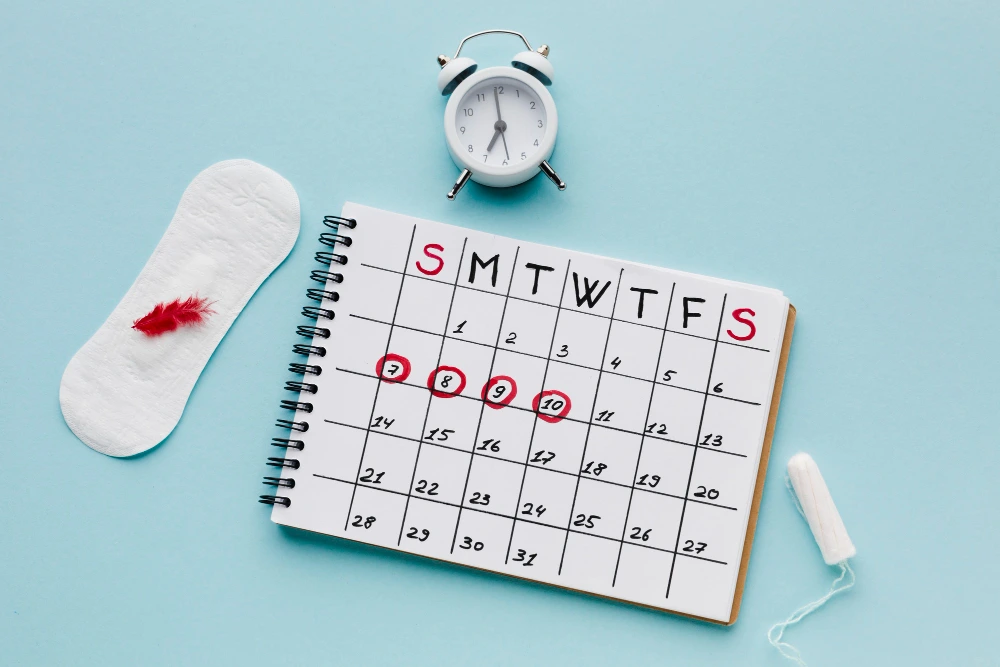
Irregular periods, medically known as oligomenorrhea or menorrhagia, refer to cycles that vary significantly in length, flow, or frequency. A normal menstrual cycle lasts 21–35 days, and deviations may indicate a problem.
Signs of irregular periods include:
- Cycles shorter than 21 days or longer than 35 days
- Skipped periods or very infrequent cycles
- Very heavy or very light bleeding
- Spotting between periods
Early evaluation is important to identify the underlying cause and prevent complications.
Common Causes of Irregular Periods
Irregular periods can result from multiple factors, including hormonal imbalances, medical conditions, lifestyle, and medications. Understanding these causes can help in effective management.
1. Hormonal Imbalance
Hormones regulate the menstrual cycle. Imbalance in estrogen and progesterone levels can disrupt the cycle.
Common causes include:
- Polycystic Ovary Syndrome (PCOS)
- Thyroid disorders (hypothyroidism or hyperthyroidism)
- Premature ovarian insufficiency
Symptoms associated with hormonal imbalance:
- Acne and weight gain (PCOS)
- Fatigue and hair thinning (thyroid issues)
- Hot flashes or early menopause (ovarian insufficiency)
2. Polycystic Ovary Syndrome (PCOS)
PCOS is one of the most common causes of irregular periods in women of reproductive age.
Key features:
- Enlarged ovaries with small cysts
- High levels of male hormones (androgens)
- Irregular or absent periods
- Difficulty conceiving
Management may include lifestyle changes, medications, and fertility treatments if needed.
3. Stress and Emotional Factors
High levels of physical or emotional stress can affect the hypothalamus, which regulates hormones controlling the menstrual cycle.
Symptoms include:
- Missed periods during stressful periods
- Shortened or prolonged cycles
- Spotting between periods
Stress management techniques, including mindfulness and exercise, can help restore regular cycles.
4. Weight Fluctuations
Both rapid weight gain or loss can affect hormone levels, particularly estrogen, impacting menstruation.
Examples:
- Underweight women may experience skipped periods due to low body fat
- Overweight women may have irregular cycles due to increased estrogen production in fat tissue
Maintaining a healthy weight can support regular menstrual cycles.
5. Excessive Exercise
Intense physical activity, common among athletes or fitness enthusiasts, can lead to menstrual irregularities.
Effects:
- Amenorrhea (absence of periods)
- Shortened or prolonged cycles
- Hormonal imbalance
Balancing exercise with adequate nutrition is key to preventing menstrual disruption.
6. Thyroid Disorders
The thyroid gland plays a crucial role in regulating metabolism and menstrual cycles.
Impact on periods:
- Hypothyroidism: Heavy or prolonged bleeding
- Hyperthyroidism: Light or infrequent periods
Routine thyroid function tests are essential for women with irregular cycles.
7. Medications and Contraceptives
Certain medications and contraceptives can influence menstrual regularity.
Examples include:
- Birth control pills, patches, or injections
- Hormone therapy
- Antidepressants and antipsychotics
- Blood thinners
While some cause temporary changes, persistent irregularities should be evaluated by a doctor.
8. Perimenopause and Menopause
As women approach menopause, hormonal changes often lead to irregular periods.
Typical patterns:
- Cycles become shorter or longer
- Heavier or lighter bleeding
- Spotting between periods
This is a natural process but requires monitoring to rule out other conditions.
9. Uterine and Ovarian Conditions
Structural problems in the reproductive organs can also cause irregular periods.
Common conditions:
| Condition | Effect on Menstruation |
| Fibroids | Heavy bleeding, prolonged periods |
| Endometriosis | Painful, irregular cycles |
| Polyps | Spotting between periods |
| Ovarian cysts | Missed or irregular periods |
Early diagnosis and treatment can prevent complications.
Risk Factors for Irregular Periods
Some factors increase the likelihood of experiencing irregular periods:
- Obesity or rapid weight changes
- Sedentary lifestyle or excessive exercise
- High stress levels
- Chronic illnesses such as diabetes
- Family history of menstrual disorders
Identifying risk factors helps in both prevention and early intervention.
When to See a Doctor
Women should seek medical attention if they notice:
- Missed periods for more than three months
- Very heavy or prolonged bleeding
- Severe pelvic pain
- Spotting between periods
- Difficulty conceiving
Early consultation ensures timely diagnosis and management.
Diagnosis of Irregular Periods
Doctors use a combination of history, physical examination, and diagnostic tests to determine the cause.
| Diagnostic Test | Purpose |
| Blood tests | Check hormone levels, thyroid function, blood count |
| Ultrasound | Detect ovarian cysts, fibroids, or structural abnormalities |
| Hysteroscopy | Examine the uterus for polyps or abnormalities |
| MRI / CT scan | Detailed imaging for complex cases |
Accurate diagnosis is crucial for effective treatment.
Treatment Options for Irregular Periods
Treatment depends on the underlying cause and may include:
1. Lifestyle Changes
- Balanced diet and weight management
- Stress reduction techniques
- Moderate exercise
2. Medications
- Hormonal therapy to regulate cycles
- Thyroid medications if indicated
- Metformin for PCOS-related irregularities
3. Surgical Options
- Removal of fibroids or polyps
- Treatment of endometriosis
- Ovarian cyst management
4. Fertility Treatments
For women experiencing irregular periods and difficulty conceiving, fertility-focused interventions may be recommended.
Prevention of Irregular Periods
While not all irregular periods can be prevented, some strategies can help:
- Maintain a healthy weight
- Manage stress effectively
- Limit excessive exercise
- Regular check-ups with a gynecologist
- Monitor menstrual cycles and report abnormalities promptly
Preventive care supports overall reproductive health and hormonal balance.
Why Choose Horizon Hospital Naupada for Menstrual Health?
Horizon Hospital Naupada, Thane, provides comprehensive care for women experiencing irregular periods:
- Expert gynecologists with experience in hormonal and reproductive disorders
- Advanced diagnostic facilities for accurate evaluation
- Personalized treatment plans for each patient
- Focus on patient comfort, privacy, and long-term health
Timely consultation and expert care can help women manage irregular periods effectively and improve overall well-being.
Conclusion
Irregular periods can result from hormonal imbalances, stress, lifestyle factors, medical conditions, or reproductive organ abnormalities. Recognizing the causes of irregular periods and seeking timely medical advice is crucial for managing symptoms, preventing complications, and supporting reproductive health.
Women experiencing persistent menstrual irregularities should consult a gynecologist to receive an accurate diagnosis and appropriate treatment. With early intervention, most causes of irregular periods can be effectively managed.
FAQs
1. What causes irregular periods in women?
Irregular periods can be caused by hormonal imbalances, PCOS, thyroid disorders, stress, excessive exercise, reproductive organ conditions, or approaching menopause.
2. Can irregular periods affect fertility?
Yes, certain causes of irregular periods, such as PCOS or ovarian cysts, may impact fertility, but early diagnosis and treatment can improve outcomes.
3. When should I see a doctor for irregular periods?
Consult a gynecologist if you miss multiple periods, experience very heavy bleeding, severe pain, or spotting between cycles.
4. Can lifestyle changes help regulate periods?
Yes, maintaining a healthy weight, managing stress, exercising moderately, and eating a balanced diet can help regulate menstrual cycles.
5. Is treatment available for irregular periods?
Yes, treatment depends on the underlying cause and may include lifestyle changes, medications, or surgical interventions if needed.