Introduction
Pelvic pain is a common health concern that affects women of all ages and can significantly impact daily life. It may range from mild discomfort to severe pain and can be acute or chronic. Understanding the pelvic pain symptoms and identifying their early signs is essential for timely diagnosis and treatment.
Pelvic pain can originate from various sources, including gynecological, urinary, digestive, or musculoskeletal issues. Early recognition of these symptoms allows healthcare professionals to provide appropriate interventions, improving outcomes and quality of life.
At Horizon Hospital Naupada in Thane, we specialize in diagnosing and managing pelvic pain with a patient-focused approach, advanced diagnostics, and personalized treatment plans.
What Is Pelvic Pain?
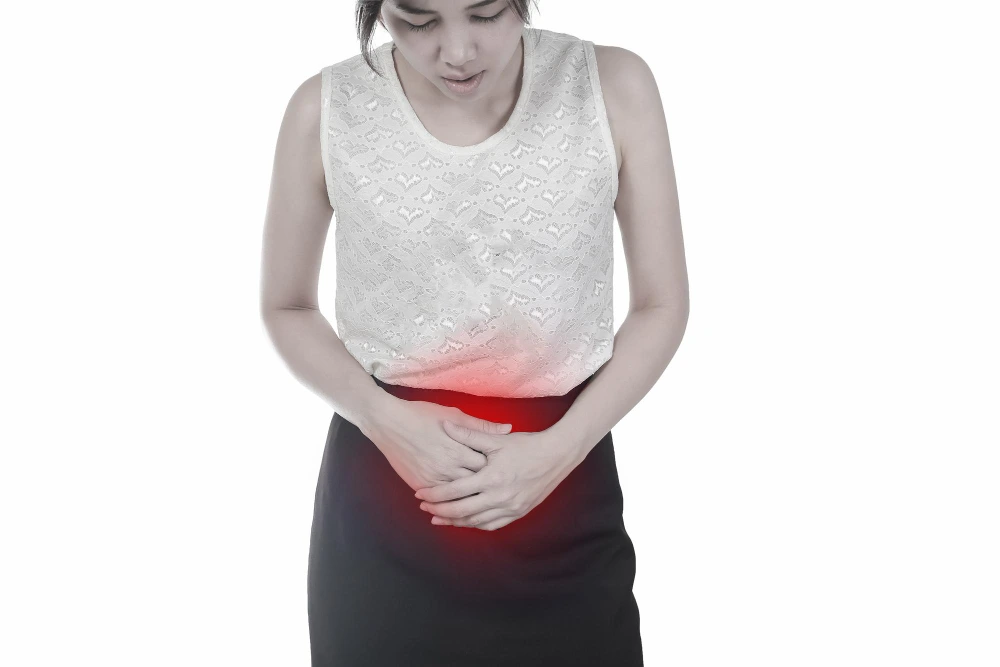
Pelvic pain refers to discomfort or pain in the lower abdomen, pelvis, or reproductive organs. It can be:
- Acute: Lasting less than six months, often sudden and severe
- Chronic: Persisting for six months or longer, usually moderate but recurring
Common Pelvic Pain Symptoms Include:
- Dull, aching sensation in the lower abdomen
- Sharp, stabbing pain that may radiate to the back or thighs
- Cramping or pressure in the pelvic region
- Pain associated with menstruation, urination, or bowel movements
Identifying the pattern, location, and intensity of pelvic pain is essential for accurate diagnosis.
Causes of Pelvic Pain
Pelvic pain can arise from multiple causes. Understanding the underlying condition is crucial for proper treatment.
1. Gynecological Causes
| Condition | Pelvic Pain Symptoms |
| Endometriosis | Painful periods, pain during intercourse, chronic lower abdominal pain |
| Ovarian Cysts | Sharp, sudden pain, bloating, pressure in the lower abdomen |
| Pelvic Inflammatory Disease (PID) | Lower abdominal pain, fever, unusual vaginal discharge |
| Fibroids | Heavy menstrual bleeding, pressure or fullness in the pelvis |
Gynecological conditions are among the most common causes of pelvic pain in women of reproductive age.
2. Urinary Causes
| Condition | Symptoms |
| Urinary Tract Infection (UTI) | Burning during urination, frequent urination, lower abdominal pain |
| Interstitial Cystitis | Chronic bladder pain, pressure, frequent urination |
Pain associated with urination or urinary frequency may indicate a urinary tract-related cause.
3. Digestive Causes
- Irritable Bowel Syndrome (IBS)
- Constipation
- Inflammatory bowel diseases (Crohn’s disease or ulcerative colitis)
Digestive issues may present as cramping, bloating, diarrhea, or constipation and can mimic gynecological pain.
4. Musculoskeletal Causes
- Pelvic floor dysfunction
- Hip or lower back problems
- Muscle strain from physical activity
Musculoskeletal issues often worsen with movement, prolonged standing, or exercise.
5. Other Causes
- Hernias in the lower abdomen
- Nerve compression or neuropathic pain
- Chronic stress leading to pelvic tension
A comprehensive evaluation helps distinguish these causes from gynecological conditions.
Types of Pelvic Pain Symptoms
Pelvic pain symptoms can vary depending on the underlying cause. Recognizing the type of pain can guide diagnosis and treatment.
1. Menstrual-Related Pain
- Pain before or during menstruation (dysmenorrhea)
- Cramping radiating to the back or thighs
- Fatigue and nausea during periods
Menstrual-related pain is often hormonal in origin but may also indicate conditions like endometriosis or fibroids.
2. Pain During Intercourse
- Sharp, deep pain during sexual activity
- Pain in specific positions or throughout intercourse
Possible causes: Endometriosis, PID, ovarian cysts, vaginal infections.
3. Pain During Urination or Bowel Movements
- Burning sensation while urinating
- Pain during bowel movements
- Frequent urge to urinate or constipation
Possible causes: UTIs, interstitial cystitis, IBS, digestive disorders.
4. Chronic Lower Abdominal Pain
- Persistent discomfort lasting six months or longer
- Dull ache with intermittent sharp episodes
- Can affect daily activities
Possible causes: Endometriosis, pelvic floor dysfunction, chronic infections.
Risk Factors for Pelvic Pain
Certain factors may increase the likelihood of experiencing pelvic pain:
- Age and hormonal changes
- History of pelvic infections or surgery
- Reproductive health conditions (PCOS, endometriosis)
- Sedentary lifestyle or poor posture
- High stress levels or anxiety
Identifying risk factors helps in prevention and early intervention.
Diagnosis of Pelvic Pain
A thorough evaluation is essential to determine the cause of pelvic pain.
Diagnostic Steps Include:
- Medical History and Physical Exam: Understanding pain pattern, menstrual history, and lifestyle
- Blood Tests: Checking for infections, hormonal imbalances, or inflammation
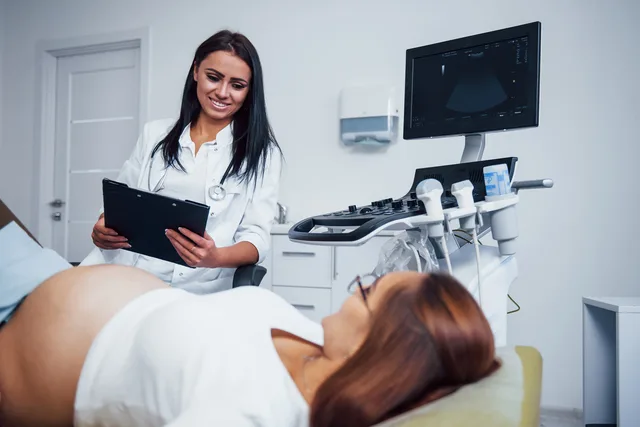
- Ultrasound: Evaluating reproductive organs and detecting cysts or fibroids
- MRI/CT Scan: Detailed imaging for complex cases
- Laparoscopy: Minimally invasive procedure to examine the pelvis directly
Accurate diagnosis allows for targeted treatment and effective symptom management.
Treatment Options for Pelvic Pain
Treatment depends on the underlying cause and severity of the pain.
1. Lifestyle and Home Management
- Regular exercise and stretching
- Stress reduction techniques (yoga, meditation)
- Heat therapy for cramps
- Balanced diet to support hormonal balance
2. Medications
- Pain relievers (NSAIDs) for acute pain
- Hormonal therapy for menstrual-related conditions
- Antibiotics for infections
- Medications for digestive issues
3. Surgical Interventions
- Laparoscopic surgery for endometriosis or ovarian cysts
- Myomectomy for fibroids
- Pelvic floor repair for dysfunction
4. Multidisciplinary Approach
Chronic pelvic pain may require a combination of gynecologists, urologists, gastroenterologists, and physiotherapists for comprehensive care.
Preventing Pelvic Pain
While not all pelvic pain can be prevented, certain strategies may reduce risk:
- Maintain a healthy lifestyle and weight
- Manage stress through relaxation techniques
- Practice safe sexual habits to prevent infections
- Regular gynecological check-ups
- Monitor menstrual cycles and report abnormalities promptly
Prevention and early intervention improve overall reproductive health and quality of life.
When to Seek Medical Attention
Immediate medical consultation is recommended if pelvic pain is accompanied by:
- Severe or worsening pain
- Fever or chills
- Unexplained bleeding
- Pain during urination or bowel movements
- Difficulty conceiving
Timely evaluation ensures early diagnosis and treatment, preventing long-term complications.
Why Choose Horizon Hospital Naupada, Thane?
Horizon Hospital Naupada provides expert care for women experiencing pelvic pain:
- Experienced gynecologists and multidisciplinary specialists
- Advanced diagnostic facilities including ultrasound, MRI, and laparoscopy
- Personalized treatment plans tailored to each patient
- Patient-centered approach prioritizing comfort and privacy
Our goal is to identify the cause of pelvic pain promptly and provide effective, long-term relief.
Conclusion
Pelvic pain symptoms can arise from a wide range of gynecological, urinary, digestive, or musculoskeletal conditions. Recognizing early signs such as menstrual cramps, pain during intercourse, urinary discomfort, or chronic lower abdominal pain is essential for timely intervention.
With early diagnosis, appropriate treatment, and a multidisciplinary care approach, most causes of pelvic pain can be managed effectively. Women experiencing persistent or severe pelvic pain should consult a specialist to ensure accurate diagnosis and effective management.
FAQs
1. What are the common pelvic pain symptoms?
Common symptoms include lower abdominal ache, cramps, sharp or stabbing pain, pain during intercourse, and discomfort during urination or bowel movements.
2. What causes pelvic pain in women?
Pelvic pain may result from gynecological conditions, urinary tract issues, digestive disorders, musculoskeletal problems, or nerve-related causes.
3. When should I see a doctor for pelvic pain?
Seek medical attention if pain is severe, persistent, accompanied by fever, unexplained bleeding, or urinary/bowel issues.
4. Can lifestyle changes help with pelvic pain?
Yes, regular exercise, stress management, heat therapy, and a balanced diet can help alleviate symptoms.
5. How is pelvic pain treated?
Treatment depends on the cause and may include medications, hormonal therapy, surgical interventions, or a multidisciplinary care approach.