Symptoms of Pneumonia in Adults: Early Warning Signs, Causes, Treatment, and Prevention
Pneumonia is a serious lung infection that can affect people of all ages, but adults, especially older individuals and those with weakened immunity, are at higher risk of complications. Recognizing the symptoms of pneumonia in adults early is essential for timely treatment and preventing severe health issues.
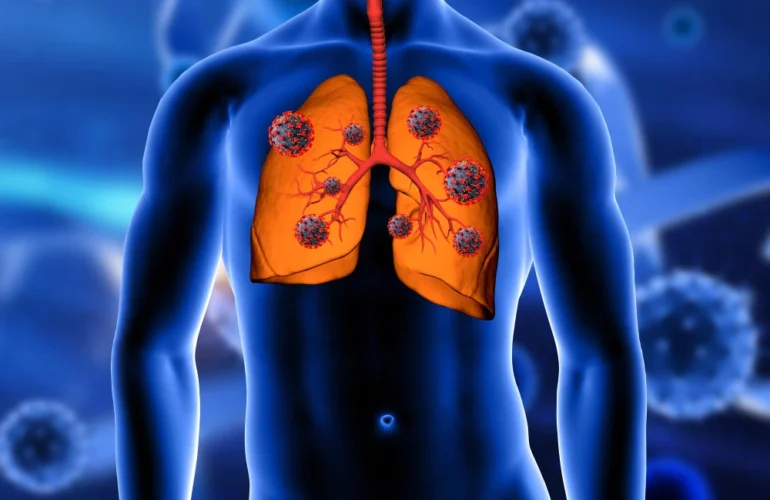
Pneumonia occurs when the air sacs in one or both lungs become inflamed and filled with fluid or pus. This can make breathing difficult and reduce oxygen supply to the body. The condition may range from mild to life-threatening depending on the cause, age, and overall health of the patient.
At Horizon Hospital Naupada, patients receive comprehensive respiratory care with advanced diagnostic facilities and personalized treatment plans for pneumonia and other lung-related conditions.
What Is Pneumonia?
Pneumonia is an infection of the lungs caused by bacteria, viruses, fungi, or other microorganisms. The infection inflames the tiny air sacs called alveoli, causing them to fill with fluid or mucus.
This can lead to:
- Difficulty breathing
- Persistent cough
- Chest discomfort
- Fever and fatigue
Pneumonia may affect one lung or both lungs and can develop suddenly or gradually.
Symptoms of Pneumonia in Adults
The symptoms of pneumonia in adults can vary depending on the type of infection, age, and overall health condition. Some patients may experience mild symptoms similar to a common cold, while others may develop severe respiratory distress.
Below are the most common symptoms of pneumonia in adults.
1. Persistent Cough
A cough is one of the earliest and most common symptoms of pneumonia in adults.
The cough may:
- Produce mucus or phlegm
- Be dry in some cases
- Worsen over time
- Cause throat irritation
The mucus may appear:
- Yellow
- Green
- Rust-colored
- Blood-tinged in severe cases
A cough lasting more than a few days with fever or breathing difficulty should not be ignored.
2. Fever and Chills
Pneumonia often causes high fever accompanied by chills and sweating.
Common signs include:
- Sudden rise in body temperature
- Shivering or shaking chills
- Excessive sweating
- Feeling weak or tired
In older adults, fever may sometimes be mild or absent, making diagnosis more difficult.
3. Shortness of Breath
Difficulty breathing is a major warning sign of pneumonia.
Patients may experience:
- Breathlessness during activity
- Rapid breathing
- Difficulty taking deep breaths
- Feeling unable to get enough air
Severe pneumonia can significantly reduce oxygen levels in the blood and may require emergency medical care.
4. Chest Pain
Chest pain caused by pneumonia usually becomes worse while coughing or breathing deeply.
Characteristics of pneumonia-related chest pain:
- Sharp or stabbing pain
- Pain during coughing
- Discomfort while inhaling deeply
- Tightness in the chest
This symptom occurs because the infection irritates the lining around the lungs.
5. Fatigue and Weakness
Many adults with pneumonia experience extreme tiredness and weakness.
Symptoms may include:
- Lack of energy
- Difficulty performing daily activities
- Excessive sleepiness
- Body aches
The body uses a large amount of energy to fight the infection, leading to fatigue.
6. Rapid Heartbeat
The heart may beat faster than normal as the body tries to supply oxygen to tissues.
This may cause:
- Palpitations
- Increased pulse rate
- Feeling restless or anxious
Rapid heartbeat can indicate severe infection or low oxygen levels.
7. Confusion in Older Adults
Older adults may develop confusion or sudden changes in mental awareness due to pneumonia.
Warning signs include:
- Disorientation
- Drowsiness
- Sudden confusion
- Difficulty concentrating
In elderly patients, confusion may sometimes be the first noticeable symptom.
8. Bluish Lips or Fingertips
Low oxygen levels caused by severe pneumonia can lead to bluish discoloration of the lips or fingertips.
This is considered a medical emergency and requires immediate attention.
Causes of Pneumonia in Adults
Understanding the causes helps in identifying risk factors and choosing the right treatment.
Common Causes Include:
Bacterial Pneumonia
The most common cause in adults. It can occur independently or after a viral infection.
Viral Pneumonia
Viruses such as influenza, RSV, and COVID-19 can cause pneumonia.
Fungal Pneumonia
More common in individuals with weakened immune systems.
Aspiration Pneumonia
Occurs when food, liquids, or vomit enter the lungs.
Risk Factors for Pneumonia
Some adults are more likely to develop pneumonia than others.
Major Risk Factors Include:
- Age above 65 years
- Smoking
- Chronic lung diseases
- Diabetes
- Heart disease
- Weak immune system
- Alcohol abuse
- Recent viral infections
- Hospitalization
Types of Pneumonia
Different types of pneumonia are classified based on how the infection is acquired.
| Type of Pneumonia | Description |
| Community-Acquired Pneumonia | Develops outside hospitals |
| Hospital-Acquired Pneumonia | Occurs during hospitalization |
| Ventilator-Associated Pneumonia | Develops in ventilated patients |
| Aspiration Pneumonia | Caused by inhaling food or liquids |
How Pneumonia Is Diagnosed
Early diagnosis is important to prevent complications.
Diagnostic Methods Include:
Physical Examination
Doctors check:
- Breathing sounds
- Oxygen levels
- Fever and pulse
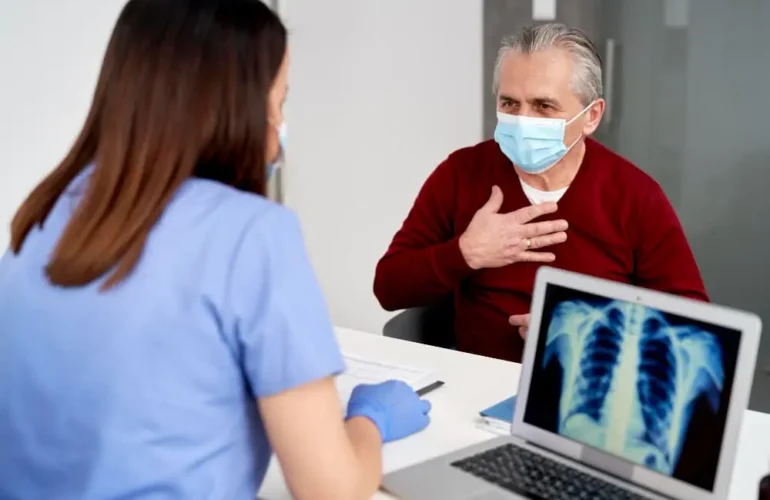
Chest X-Ray
Helps identify lung infection and fluid accumulation.
Blood Tests
Used to detect infection and inflammation.
Sputum Test
Analyzes mucus to identify the organism causing infection.
CT Scan
Recommended in severe or complicated cases.
Pulse Oximetry
Measures oxygen levels in the blood.
Treatment for Pneumonia in Adults
Treatment depends on:
- Cause of infection
- Severity
- Age
- Overall health condition
1. Antibiotics
Antibiotics are prescribed for bacterial pneumonia.
Important points:
- Complete the full course
- Take medicines exactly as prescribed
- Avoid self-medication
2. Antiviral Medications
Some viral infections may require antiviral treatment, especially in high-risk individuals.
3. Fever and Pain Management
Doctors may recommend medications to:
- Reduce fever
- Relieve chest discomfort
- Control body aches
4. Oxygen Therapy
Patients with low oxygen levels may need supplemental oxygen.
5. Hospitalization
Severe pneumonia cases may require admission for:
- Intravenous medications
- Oxygen support
- Continuous monitoring
Complications of Pneumonia
Without proper treatment, pneumonia can become life-threatening.
Possible Complications Include:
- Respiratory failure
- Lung abscess
- Pleural effusion
- Sepsis
- Kidney complications
- Worsening of chronic illnesses
Older adults and patients with weak immunity are at greater risk of complications.
When Should You See a Doctor?
Seek medical attention immediately if you experience:
- High fever
- Difficulty breathing
- Persistent chest pain
- Severe cough with mucus
- Bluish lips
- Confusion
- Rapid breathing
Prompt treatment can prevent serious complications and improve recovery.
Recovery from Pneumonia
Recovery time varies depending on the severity of infection and overall health.
Most patients improve with:
- Adequate rest
- Hydration
- Proper nutrition
- Timely medication
However, fatigue and weakness may continue for several weeks after the infection clears.
How to Prevent Pneumonia
Preventive measures can significantly lower the risk of pneumonia.
1. Get Vaccinated
Vaccines are available to protect against:
- Pneumococcal infections
- Influenza
- COVID-19
Vaccination is especially important for older adults and high-risk individuals.
2. Maintain Good Hygiene
Important habits include:
- Regular hand washing
- Covering mouth while coughing
- Avoiding close contact with sick individuals
3. Stop Smoking
Smoking damages the lungs and weakens natural defense mechanisms.
Quitting smoking significantly reduces pneumonia risk.
4. Strengthen Immunity
Healthy lifestyle habits support immune function.
Include:
- Balanced diet
- Regular exercise
- Adequate sleep
- Stress management
5. Manage Chronic Conditions
Proper control of:
- Diabetes
- Asthma
- COPD
- Heart disease
can help lower the risk of severe pneumonia.
Symptoms of Pneumonia in Adults vs Common Cold
Many people confuse pneumonia with the flu or common cold.
| Symptom | Common Cold | Pneumonia |
| Fever | Mild or absent | Often high |
| Cough | Mild | Severe and persistent |
| Breathing Difficulty | Rare | Common |
| Chest Pain | Uncommon | Common |
| Fatigue | Mild | Severe |
| Oxygen Levels | Normal | May decrease |
Recognizing these differences can help patients seek timely medical care.
Why Choose Horizon Hospital Naupada for Pneumonia Treatment?
Horizon Hospital Naupada provides comprehensive respiratory care with advanced facilities for diagnosis and treatment of pneumonia.
Patients benefit from:
- Experienced pulmonologists and physicians
- Advanced imaging and diagnostic services
- Critical care support
- Personalized treatment plans
- 24/7 emergency care
- Patient-centered respiratory management
The hospital focuses on accurate diagnosis, effective treatment, and complete recovery support for patients with respiratory infections.
Conclusion
Recognizing the symptoms of pneumonia in adults early can make a significant difference in recovery and overall health outcomes. Symptoms such as persistent cough, fever, chest pain, shortness of breath, and fatigue should never be ignored, especially in older adults or individuals with chronic health conditions.
Timely medical evaluation and proper treatment are essential to prevent complications and support faster recovery. Maintaining a healthy lifestyle, getting vaccinated, and seeking early medical care can greatly reduce the risk of severe pneumonia.
If you or your loved one experiences symptoms of pneumonia, consult the specialists at Horizon Hospital Naupada for expert diagnosis, advanced treatment, and compassionate respiratory care.