Kidney Disease Symptoms in Females: Early Warning Signs
Kidney disease is a serious health condition that can silently damage the kidneys over time without noticeable symptoms in the early stages. Many women ignore subtle warning signs such as fatigue, swelling, or changes in urination, assuming they are related to stress, hormonal changes, or minor infections. However, recognizing kidney disease symptoms in females early is essential to prevent long-term kidney damage and life-threatening complications.
The kidneys play a vital role in filtering waste, balancing fluids, regulating blood pressure, and maintaining overall body function. When kidney function declines, toxins and excess fluids accumulate in the body, affecting multiple organs and systems.
At Horizon Hospital Naupada, patients receive comprehensive kidney care with advanced diagnostic services, personalized treatment plans, and long-term management support for kidney-related conditions.
What Is Kidney Disease?
Kidney disease refers to a condition in which the kidneys gradually lose their ability to function properly. It can be acute (sudden) or chronic (developing slowly over time).
Healthy kidneys help:
- Remove waste products from the blood
- Maintain fluid balance
- Regulate blood pressure
- Support red blood cell production
- Balance minerals and electrolytes
When kidney function becomes impaired, harmful waste products build up in the body and can affect overall health.
Why Women Should Pay Attention to Kidney Health
Women may experience certain kidney disease symptoms differently than men. In many cases, the symptoms are mild, vague, or mistaken for gynecological or hormonal issues.
Additionally, women are more prone to:
- Urinary tract infections (UTIs)
- Autoimmune disease
- Hormonal fluctuations
- Pregnancy-related kidney complications
These factors can increase the risk of kidney-related problems.
Kidney Disease Symptoms in Females
Recognizing kidney disease symptoms in females early can help prevent disease progression and protect kidney function.
Below are the most common warning signs women should never ignore.
1. Changes in Urination
One of the earliest signs of kidney disease involves noticeable changes in urination patterns.
Symptoms May Include:
- Frequent urination, especially at night
- Reduced urine output
- Foamy or bubbly urine
- Blood in urine
- Pain or burning during urination
- Dark-colored urine
Foamy urine may indicate protein leakage, which is often a sign of kidney damage.
2. Swelling in the Body
Kidneys help remove excess fluids from the body. When they fail to function properly, fluid retention can occur.
Common Areas of Swelling:
- Feet
- Ankles
- Hands
- Face
- Around the eyes
Swelling, also called edema, may worsen as kidney disease progresses.
3. Persistent Fatigue and Weakness
Fatigue is one of the most common kidney disease symptoms in females.
Damaged kidneys produce less erythropoietin, a hormone responsible for red blood cell production. This can lead to anemia, causing:
- Constant tiredness
- Weakness
- Lack of energy
- Difficulty concentrating
Many women mistakenly attribute these symptoms to stress or lifestyle factors.
4. High Blood Pressure
Kidneys play an important role in regulating blood pressure.
When the kidneys become damaged:
- Blood pressure may rise
- Existing hypertension may worsen
At the same time, uncontrolled high blood pressure can further damage the kidneys, creating a dangerous cycle.
5. Nausea and Vomiting
As waste products accumulate in the blood, women may experience digestive symptoms.
Common Symptoms Include:
- Nausea
- Vomiting
- Loss of appetite
- Metallic taste in the mouth
These symptoms are more common in advanced stages of kidney disease.
6. Difficulty Sleeping
Poor kidney function can affect sleep quality in several ways.
Women May Experience:
- Insomnia
- Restless legs syndrome
- Muscle cramps at night
- Sleep apnea
Toxin buildup and electrolyte imbalance can interfere with normal sleep patterns.
7. Shortness of Breath
Fluid buildup in the lungs or anemia caused by kidney disease can result in breathing difficulty.
Symptoms Include:
- Breathlessness during activity
- Difficulty breathing while lying down
- Chest tightness
Severe shortness of breath requires immediate medical attention.
8. Dry and Itchy Skin
Kidney disease can disturb mineral and nutrient balance, affecting skin health.
Common Skin Symptoms:
- Dryness
- Persistent itching
- Skin irritation
- Pale appearance
These symptoms may indicate advanced kidney dysfunction.
9. Muscle Cramps
Electrolyte imbalance caused by kidney disease may lead to painful muscle cramps.
Commonly Affected Areas:
- Legs
- Feet
- Calves
Low calcium or abnormal phosphorus levels often contribute to cramping.
10. Lower Back or Side Pain
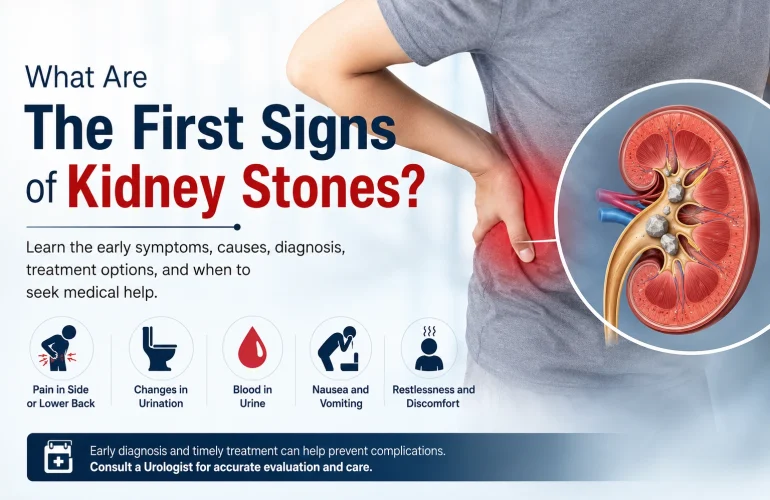
Some kidney conditions may cause pain near the kidneys.
Pain May Occur Due To:
- Kidney infections
- Kidney stones
- Polycystic kidney disease
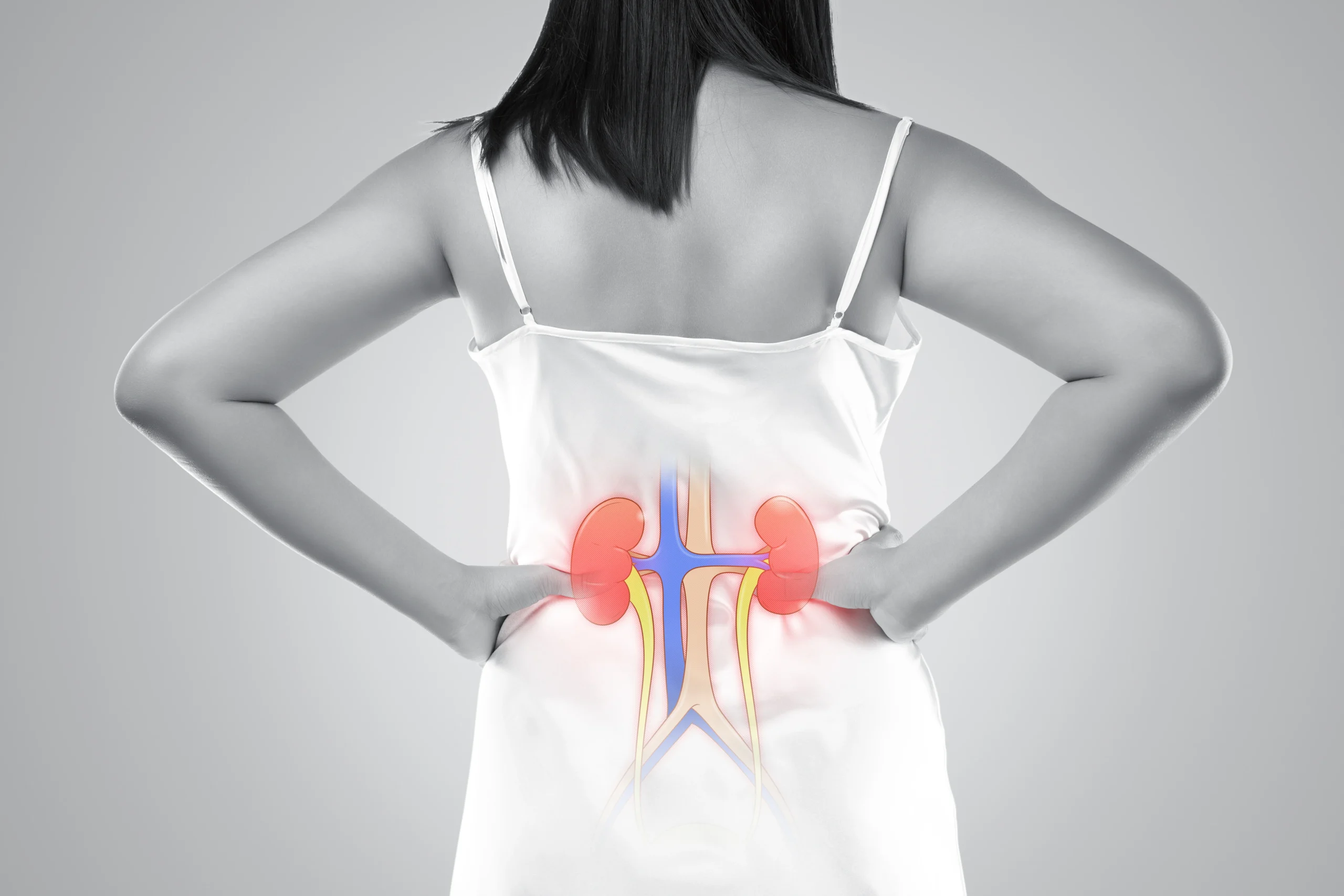
Pain is usually felt:
- In the lower back
- Along the sides
- Below the ribs
Persistent pain should never be ignored.
Causes of Kidney Disease in Females
Several health conditions and lifestyle factors can increase the risk of kidney disease in women.
Common Causes Include:
Diabetes
High blood sugar damages kidney blood vessels over time.
High Blood Pressure
Uncontrolled hypertension is a major cause of kidney failure.
Urinary Tract Infections
Repeated UTIs may spread to the kidneys and cause damage.
Autoimmune Diseases
Conditions such as lupus commonly affect women and may damage the kidneys.
Kidney Stones
Frequent stones may impair kidney function.
Obesity
Excess body weight increases the risk of diabetes and hypertension.
Certain Medications
Long-term use of painkillers may affect kidney health.
Risk Factors for Kidney Disease in Females
Some women are more likely to develop kidney disease than others.
| Risk Factor | How It Increases Risk |
| Diabetes | Damages kidney blood vessels |
| High Blood Pressure | Increases kidney strain |
| Family History | Genetic susceptibility |
| Smoking | Reduces blood flow to kidneys |
| Obesity | Raises risk of metabolic disorders |
| Autoimmune Disorders | Causes inflammation in kidneys |
| Aging | Kidney function naturally declines |
Stages of Chronic Kidney Disease
Kidney disease usually progresses gradually through different stages.
| Stage | Kidney Function | Description |
| Stage 1 | Normal or slightly reduced | Mild damage |
| Stage 2 | Mild reduction | Early kidney dysfunction |
| Stage 3 | Moderate reduction | Symptoms may begin |
| Stage 4 | Severe reduction | Significant damage |
| Stage 5 | Kidney failure | Dialysis or transplant needed |
Early diagnosis is important to slow progression.
How Kidney Disease Is Diagnosed
Doctors use various tests to evaluate kidney health.
Common Diagnostic Tests Include:
Blood Tests
Measure:
- Creatinine levels
- Kidney filtration rate (GFR)
Urine Tests
Detect:
- Protein leakage
- Blood
- Infection
Imaging Tests
Such as:
- Ultrasound
- CT scan
- MRI
Kidney Biopsy
In some cases, a small tissue sample may be examined.
Treatment for Kidney Disease in Females
Treatment depends on the cause, severity, and stage of kidney disease.
1. Lifestyle Modifications
Healthy habits can slow kidney damage.
Recommendations Include:
- Reducing salt intake
- Staying hydrated
- Maintaining healthy weight
- Avoiding smoking
- Regular exercise
2. Medications
Doctors may prescribe medicines to:
- Control blood pressure
- Manage diabetes
- Reduce swelling
- Treat infections
3. Dietary Management
A kidney-friendly diet helps reduce strain on the kidneys.
Dietary Changes May Include:
- Limiting sodium
- Reducing processed foods
- Managing protein intake
- Monitoring potassium and phosphorus
4. Dialysis
Advanced kidney failure may require dialysis to remove waste products from the blood.
Types Include:
- Hemodialysis
- Peritoneal dialysis
5. Kidney Transplant
Severe kidney failure may require a kidney transplant for long-term survival.
How to Prevent Kidney Disease
Prevention plays a major role in protecting kidney health.
Important Preventive Measures:
Control Blood Pressure
Maintain healthy blood pressure levels.
Manage Blood Sugar
Proper diabetes management reduces kidney damage risk.
Drink Enough Water
Adequate hydration supports kidney function.
Avoid Excess Painkiller Use
Overuse of pain medications can harm the kidneys.
Exercise Regularly
Physical activity improves overall health.
Get Regular Health Checkups
Routine screening helps detect kidney disease early.
When Should Women See a Doctor?
Women should seek medical attention if they experience:
- Persistent swelling
- Blood in urine
- Frequent urination changes
- Ongoing fatigue
- Difficulty breathing
- Severe back pain
- High blood pressure
- Persistent nausea
Early medical evaluation can prevent serious complications.
Why Choose Horizon Hospital Naupada for Kidney Care?
Horizon Hospital Naupada offers advanced kidney care services with a patient-centered approach.
Patients benefit from:
- Experienced nephrology specialists
- Advanced diagnostic facilities
- Personalized treatment plans
- Comprehensive dialysis support
- Preventive kidney health programs
- Multidisciplinary medical care
The hospital focuses on early diagnosis, effective treatment, and long-term kidney health management.
Conclusion
Recognizing kidney disease symptoms in females early is essential for preventing serious complications and preserving kidney function. Symptoms such as fatigue, swelling, urination changes, high blood pressure, and persistent weakness should never be ignored.
Women are often at higher risk of certain kidney-related conditions, making regular health checkups and early diagnosis especially important. With timely medical care, lifestyle changes, and proper treatment, the progression of kidney disease can often be slowed significantly.
If you are experiencing symptoms related to kidney disease, consult the specialists at Horizon Hospital Naupada for expert diagnosis, advanced treatment, and compassionate kidney care.