
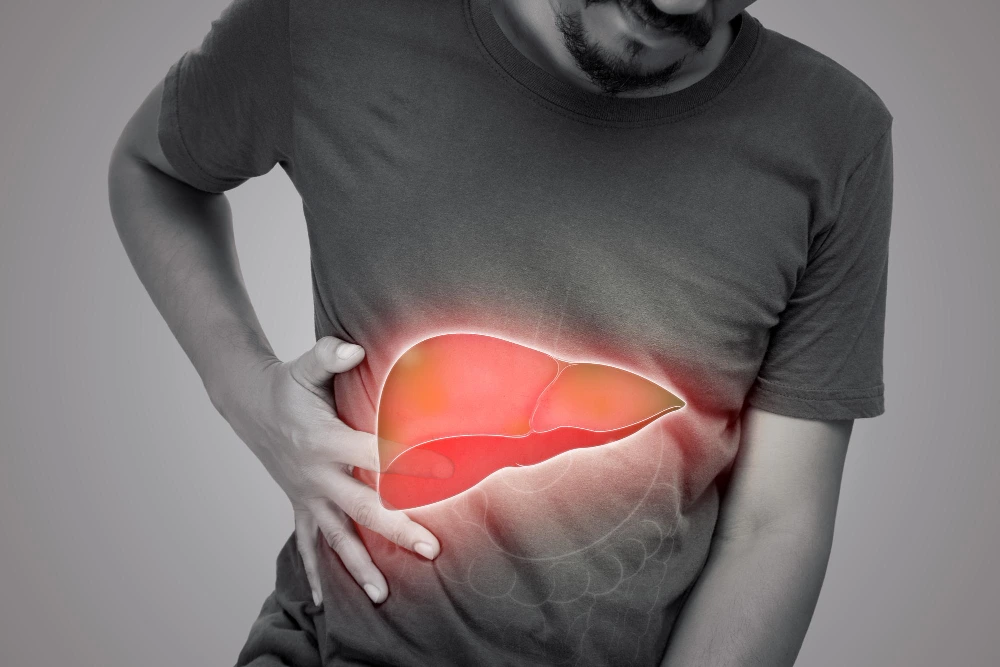
Liver health is essential for overall well-being. The liver performs vital functions, including detoxification, metabolism, nutrient storage, and immune regulation. Recognising the early and advanced symptoms of liver damage can significantly improve outcomes through timely medical intervention.
In this comprehensive guide, we explore the symptoms of liver damage, what they mean, their causes, how liver damage is diagnosed, and available treatment options.
What Is the Liver and Why It Matters
The liver is one of the largest and most multifaceted organs in the body. Located in the upper right portion of the abdomen, it:
- Filters toxins from the blood
- Produces bile for digestion
- Stores nutrients such as vitamins and glycogen
- Supports immune function
- Helps regulate cholesterol and blood clotting
Because the liver performs many essential life-sustaining roles, damage to the liver can have widespread effects on health.
What Does “Liver Damage” Mean?
Liver damage refers to injury or dysfunction of liver cells, which can occur due to infection, toxins, metabolic conditions, immune responses, or chronic diseases. When liver cells are injured, they may not function properly, leading to the symptoms of liver damage described in this guide.
Liver damage may range from mild and reversible to severe and life-threatening (e.g., cirrhosis, liver failure).
Early Symptoms of Liver Damage
Early symptoms of liver damage can be subtle and may easily be mistaken for other health issues. Awareness of these early signs is critical for early diagnosis.
Common Early Signs of Liver Damage
- Persistent fatigue or weakness
- Loss of appetite
- Nausea or vomiting
- Unexplained weight loss
- Mild abdominal discomfort or bloating
- Changes in bowel habits
These symptoms are often non-specific and may develop gradually.
Common Symptoms of Liver Damage
As liver function declines, symptoms become more noticeable. Most patients with liver damage experience one or more of the following:
Physical Symptoms
- Jaundice: Yellowing of the skin and eyes
- Dark urine: Tea-colored or brownish urine
- Pale or clay-colored stool
- Itchy skin (pruritus)
- Swelling in the legs or abdomen (edema, ascites)
- Bruising or bleeding easily
- Right upper abdominal pain
Systemic Symptoms
- Persistent fatigue
- Confusion or difficulty concentrating
- Sleep disturbances
- Loss of sex drive
Each of these signs reflects underlying issues with liver function such as bile accumulation, disrupted metabolism, or hormonal imbalance.
Advanced Symptoms of Liver Damage
In more advanced liver damage, the symptoms become pronounced and may indicate serious complications such as cirrhosis or liver failure.
Advanced Indicators
- Severe abdominal swelling or fluid accumulation
- Muscle wasting and weight loss
- Mental confusion (hepatic encephalopathy)
- Severe itching
- Frequent infections
- Gastrointestinal bleeding
- Enlarged spleen
- Persistent fever
These signs often require urgent medical evaluation and highlight the importance of early detection.
Causes of Liver Damage
Understanding what causes liver damage can help prevent it. Common causes include:
Common Causes
| Cause | Mechanism |
| Alcohol misuse | Toxic effects on liver cells, leading to inflammation (alcoholic hepatitis) |
| Viral infections (e.g., hepatitis B, C) | Chronic inflammation and immune-mediated liver injury |
| Non-Alcoholic Fatty Liver Disease (NAFLD) | Fat buildup in liver cells due to metabolic imbalance |
| Autoimmune liver disease | Immune system attacks liver tissue |
| Medications and toxins | Drug-induced liver injury from medications or chemicals |
| Metabolic/genetic disorders | Conditions like Wilson’s disease or hemochromatosis |
Additional Factors
- Obesity
- Diabetes
- High cholesterol
- Long-term exposure to environmental toxins
- Unprotected exposure to contaminated blood products
Who Is at Risk?
While liver damage can affect anyone, certain groups are more susceptible:
At-Risk Groups
- People who consume excessive alcohol
- Those with viral hepatitis infections
- Individuals with obesity and metabolic syndrome
- Patients taking long-term medications that stress the liver
- Individuals with a family history of liver disease
- People exposed to toxic chemicals
Discuss your risk profile with a healthcare provider if you have one or more risk factors.
When to Seek Medical Help
Contact a healthcare provider if you experience:
- Jaundice (yellowing of skin or eyes)
- Severe abdominal pain or swelling
- Persistent nausea or vomiting
- Confusion or mental changes
- Unexplained bleeding or easy bruising
- Dark urine or light stools
Early evaluation and diagnosis can prevent progression and improve outcomes.
Diagnosis of Liver Damage
Diagnosing liver damage involves a combination of history, physical examination, laboratory tests, and imaging.
Common Diagnostic Tests
- Liver function tests (LFTs): Measures enzymes like ALT, AST, ALP, and bilirubin
- Complete blood count (CBC)
- Viral hepatitis panels
- Ultrasound / CT scan / MRI
- Liver biopsy (in selected cases)
What Tests Reveal
- Elevated liver enzymes indicate inflammation
- Imaging reveals structural changes or fatty infiltration
- Biopsy provides detailed tissue analysis
Early diagnosis allows for targeted treatment and prevents further damage.
Treatment Options for Liver Damage
Treatment depends on the cause and severity of liver damage.
Medical Management
- Antiviral therapy for hepatitis B and C
- Lifestyle changes including diet and exercise
- Medication adjustments in drug-induced liver injury
- Alcohol cessation programs
Advanced Interventions
- Management of ascites and edema
- Treatment of complications (e.g., infections, bleeding varices)
- Liver transplant for end-stage liver disease
Treatment plans are individualized based on the patient’s condition and risk factors.
Living with Liver Disease
Managing liver damage is often a long-term process. The following strategies help support liver health:
Lifestyle Tips
- Maintain a balanced, nutritious diet
- Avoid alcohol entirely
- Control weight, blood sugar, and blood pressure
- Take medications only as prescribed
- Stay vaccinated against hepatitis A and B
Support and Follow-Up
Regular follow-up with your healthcare provider ensures:
- Monitoring of liver function
- Early detection of complications
- Adjustments in treatment as needed
Symptoms of Liver Damage – Summary Table
| Symptom Category | Common Signs |
| Early Symptoms | Fatigue, nausea, appetite loss, mild abdominal discomfort |
| Common Symptoms | Jaundice, dark urine, pale stools, itching, swelling |
| Advanced Symptoms | Ascites, confusion, bleeding, frequent infections |
Frequently Asked Questions (FAQs)
Q1. What are the first signs of liver damage?
Answer: Early signs include fatigue, loss of appetite, nausea, abdominal discomfort, and subtle changes in mood or energy.
Q2. Is jaundice always a sign of liver damage?
Answer: Jaundice is a common indicator of liver dysfunction but can also be seen in other conditions like hemolysis. It warrants prompt evaluation.
Q3. Can liver damage be reversed?
Answer: Some liver damage, especially in early stages like fatty liver or mild inflammation, may improve with lifestyle changes and medical treatment. Advanced scarring (cirrhosis) is usually not reversible, but progression can be slowed.
Q4. How is liver damage treated?
Answer: Treatment depends on the cause. It may include antiviral therapy, lifestyle modification, medication changes, and in advanced cases, specialized interventions or transplant evaluation.
Q5. How often should I check liver function?
Answer: If you are at risk (e.g., alcohol use, viral hepatitis, obesity), annual or more frequent liver function panels are recommended by your healthcare provider.
Conclusion
Symptoms of liver damage may start subtly but can progress to serious complications if left unaddressed. Early recognition, risk assessment, and proactive medical care are key to protecting liver health.
At Horizon Naupada Hospital, our liver specialists provide expert diagnosis, compassionate care, and personalized treatment for all stages of liver disease. If you notice any symptoms described in this guide, consult a healthcare professional promptly.