Kidney Stone Symptoms in Women: Early Warning Signs, Causes, Diagnosis and Treatment
Kidney stones are a common urinary tract condition that can affect both men and women. They develop when minerals and salts present in urine accumulate and form hard deposits inside the kidneys. While some kidney stones are small enough to pass naturally without causing noticeable discomfort, larger stones can lead to severe pain, urinary problems and other complications.
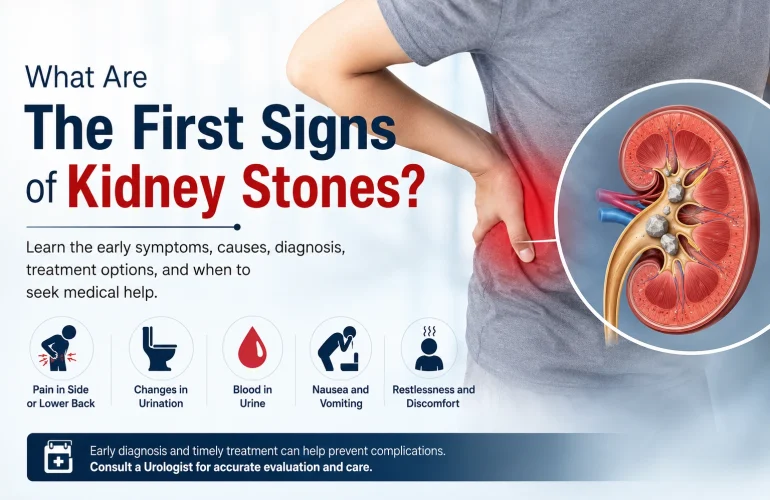
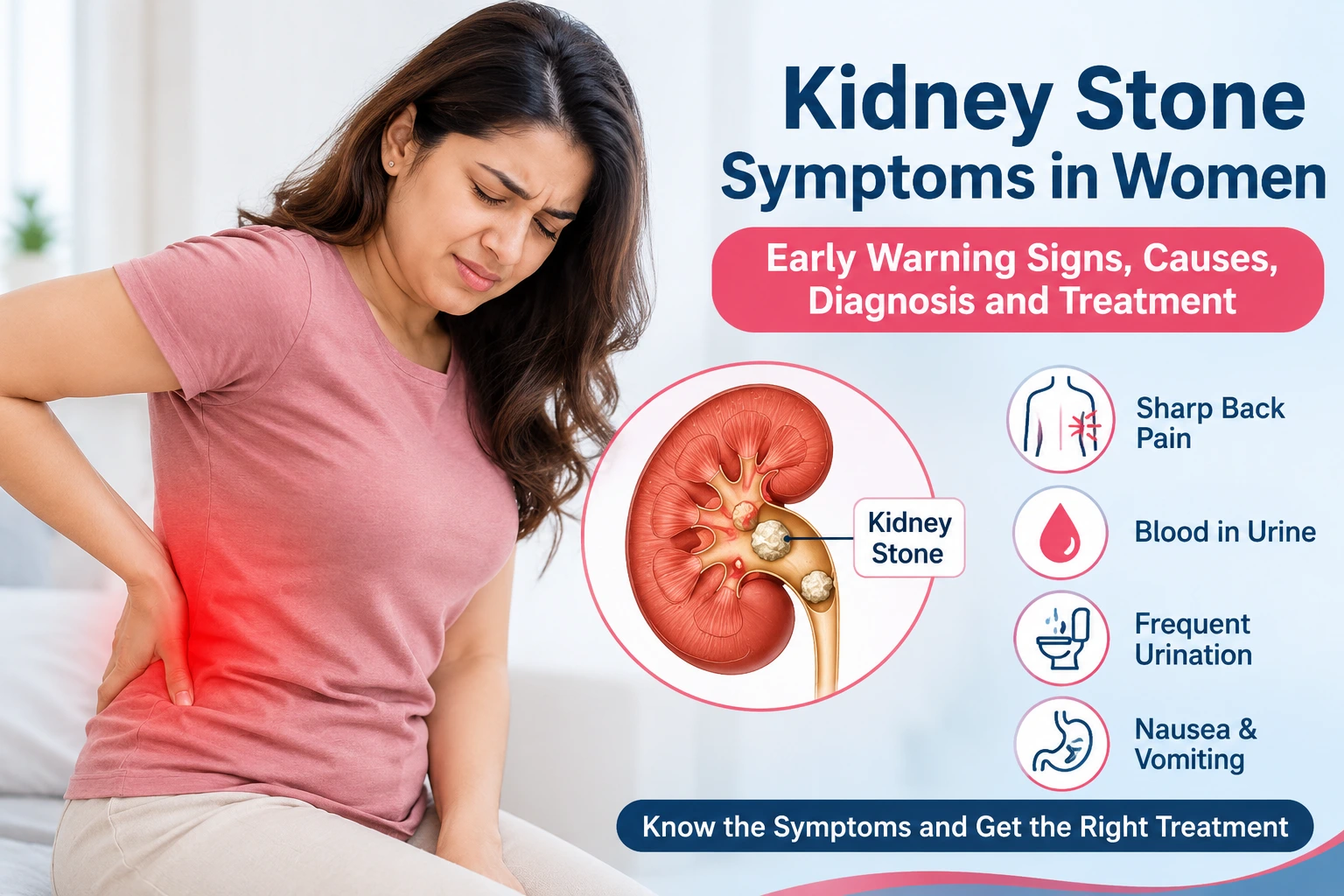
Recognising kidney stone symptoms in women at an early stage is important for timely diagnosis and appropriate treatment. Women may experience symptoms such as sharp lower back pain, abdominal discomfort, painful urination, frequent urination and blood in the urine. However, these symptoms can sometimes resemble urinary tract infections (UTIs) or certain gynaecological conditions.
Understanding the warning signs, possible causes and available treatment options can help women seek medical attention before the condition becomes more complicated.
What Are Kidney Stones?
Kidney stones are hard deposits made of minerals and salts that form inside one or both kidneys. They develop when urine contains high concentrations of substances such as calcium, oxalate and uric acid, allowing crystals to form and gradually grow into stones.
Kidney stones can vary in size, ranging from tiny particles to larger stones that may obstruct the urinary tract. A small stone may pass through the urinary system without causing symptoms. However, when a stone moves into the ureter (the tube connecting the kidney to the bladder), it may block urine flow and cause significant pain.
Kidney stones can affect women at different stages of life. Although the symptoms are generally similar in men and women, women may sometimes mistake urinary discomfort or lower abdominal pain for menstrual problems or a urinary infection.
Common Kidney Stone Symptoms in Women
The symptoms of kidney stones depend on their size, location and whether they obstruct the flow of urine. Some women may experience sudden and intense pain, while others notice mild discomfort or urinary changes.
The following are some common warning signs.
1. Sharp Pain in the Lower Back or Side
One of the most recognisable kidney stone symptoms in women is sudden, sharp pain in the back or side, usually below the ribs.
This pain, commonly called renal colic, may occur when a stone moves through the urinary tract or blocks the flow of urine.
Common characteristics include:
- Pain on either the left or right side of the lower back.
- Discomfort that may spread towards the lower abdomen.
- Pain that comes and goes in waves.
- Sudden episodes of severe pain that make it difficult to find a comfortable position.
- Pain that may extend towards the groin or pelvic region.
The intensity of the pain may change depending on the movement and position of the stone.
2. Pain or Burning Sensation During Urination
Women with kidney stones may experience pain, irritation or a burning sensation while passing urine. This can happen when a stone moves towards the bladder or urethra and irritates the urinary tract.
The discomfort may be accompanied by frequent urination or difficulty passing urine.
Since burning during urination is also a common symptom of UTIs, medical evaluation is important to identify the underlying cause.
3. Blood in the Urine
Blood in the urine, medically known as haematuria, is another important warning sign of kidney stones.
As a stone moves through the urinary tract, it can irritate or scratch the surrounding tissues, resulting in bleeding.
Women may notice:
- Pink-coloured urine.
- Red or reddish-brown urine.
- Dark or tea-coloured urine.
- Blood detected during a routine urine examination.
Sometimes, the blood may not be visible to the naked eye and can only be identified through laboratory testing. Blood in the urine should never be ignored, as it may also indicate other urinary or kidney-related conditions.
4. Frequent Urination and Urgency
Some women with kidney stones experience an increased urge to urinate, even when the bladder contains very little urine.
This symptom is particularly common when a stone moves towards the lower part of the urinary tract or approaches the bladder.
You may experience:
- Frequent trips to the bathroom.
- A sudden and strong urge to urinate.
- Passing small amounts of urine.
- A feeling that the bladder has not emptied completely.
If these symptoms occur alongside back pain or blood in the urine, a kidney stone may be one possible cause.
5. Nausea and Vomiting
Kidney stones can cause nausea and vomiting, particularly during episodes of severe pain.
The nerves connecting the kidneys and gastrointestinal system can contribute to these symptoms when a stone causes significant irritation or obstruction.
Some women may also experience:
- Loss of appetite.
- Stomach discomfort.
- Persistent nausea.
- Vomiting during severe pain episodes.
Repeated vomiting can lead to dehydration, which may make kidney-related problems more difficult to manage.
6. Cloudy or Unpleasant-Smelling Urine
Changes in the appearance or smell of urine can sometimes occur in women with kidney stones.
Urine may appear cloudy or develop an unusually strong smell. These changes may be associated with infection, mineral deposits or other urinary conditions.
If cloudy urine is accompanied by fever, chills, painful urination or back pain, medical assessment is particularly important because a urinary infection may also be present.
7. Difficulty Passing Urine
A kidney stone can partially or completely block the urinary tract, making it difficult to pass urine.
Women may notice reduced urine output, difficulty starting urination or an inability to empty the bladder normally.
Complete inability to urinate requires immediate medical attention.
What Causes Kidney Stones in Women?
Kidney stones form when certain minerals and salts become concentrated in urine and crystallise. Several lifestyle, dietary and medical factors can increase the likelihood of developing them.
Common causes and risk factors include:
| Risk factor | How it contributes |
| Inadequate water intake | Concentrated urine increases the likelihood of crystal formation. |
| High salt consumption | Excess sodium can increase calcium levels in urine. |
| Certain dietary habits | High intake of animal protein and oxalate-rich foods may increase risk in susceptible individuals. |
| Family history | Genetic factors can increase the likelihood of developing kidney stones. |
| Obesity | Excess body weight and metabolic changes may increase stone risk. |
| Recurrent urinary infections | Certain infections can contribute to specific types of kidney stones. |
| Medical conditions | Conditions such as hyperparathyroidism and some digestive disorders can affect mineral balance. |
| Certain medications and supplements | Some medicines and supplements may increase the risk of stone formation. |
Dehydration is particularly important because insufficient fluid intake can make urine more concentrated, allowing minerals to accumulate and form crystals.
Are Kidney Stone Symptoms Different in Women?
Kidney stone symptoms are generally similar in men and women. However, the location of pain and overlapping symptoms can sometimes make identification more challenging in women.
For example, pain caused by a kidney stone may spread towards the lower abdomen, pelvis, groin or area around the vaginal opening. This discomfort can sometimes be confused with menstrual cramps, pelvic pain or other gynaecological conditions.
Additionally, frequent urination and burning sensations may resemble symptoms of a urinary tract infection.
Women should seek medical evaluation if they experience persistent or unexplained abdominal pain, urinary discomfort or blood in their urine rather than assuming these symptoms are related to menstruation or a routine infection.
When Should Women Seek Medical Attention?
Although some small kidney stones pass naturally, certain symptoms may indicate an obstruction or infection that requires urgent medical treatment.
Seek immediate medical attention if you experience:
- Severe or persistent pain in the back, side or abdomen.
- Fever accompanied by chills or shivering.
- Blood in the urine.
- Repeated nausea and vomiting.
- Difficulty or inability to pass urine.
- Pain accompanied by signs of urinary infection.
A kidney stone that blocks urine flow and is accompanied by an infection can become a serious medical condition. Fever and chills in someone suspected of having a kidney stone should never be ignored.
Pregnant women experiencing urinary symptoms or suspected kidney stones should contact their healthcare provider promptly for appropriate evaluation and imaging.
How Are Kidney Stones Diagnosed in Women?
A doctor may recommend a combination of medical evaluation, laboratory investigations and imaging tests to confirm the presence of kidney stones.
Common diagnostic methods include:
- Urine Test
A urine examination helps identify blood, minerals, crystals, white blood cells and signs of infection. A urine culture may also be recommended if an infection is suspected.
- Blood Test
Blood investigations can help assess kidney function and identify abnormal levels of calcium, uric acid and other substances associated with stone formation.
- Ultrasound
An ultrasound scan uses sound waves to examine the kidneys and urinary tract. It can help identify stones, kidney swelling and certain urinary obstructions. It is particularly useful during pregnancy because it does not involve ionising radiation.
- CT Scan
A non-contrast CT scan may be recommended to identify the size, number and location of kidney stones. It can also help detect urinary obstruction and other complications.
The choice of investigation depends on the patient’s symptoms, medical history and clinical condition.
Treatment Options for Kidney Stones in Women
Treatment depends on the size, location and type of kidney stone, along with the severity of symptoms and presence of complications.
1. Medications and Observation
Small kidney stones may pass naturally through the urinary tract. Doctors may recommend adequate fluid intake, suitable pain-relief medication and medicines that help certain stones pass more easily.
Regular follow-up may be required to monitor the stone and ensure that it has passed.
2. Extracorporeal Shock Wave Lithotripsy (ESWL)
ESWL uses externally generated shock waves to break kidney stones into smaller fragments. These fragments can then pass through the urinary tract.
The suitability of this treatment depends on the stone’s size, location and other clinical factors.
3. Ureteroscopy
Ureteroscopy involves inserting a thin instrument with a camera through the urinary passage to locate the stone. Special instruments or laser energy may be used to break the stone into smaller pieces or remove it.
It is commonly considered for stones located in the ureter or selected kidney stones.
4. Percutaneous Nephrolithotomy (PCNL)
PCNL is a minimally invasive surgical procedure generally used for larger or complex kidney stones.
A small incision is made in the back to create access to the kidney, allowing the surgeon to remove or break the stone using specialised instruments.
The doctor recommends the most appropriate treatment based on individual medical requirements.
How Can Women Prevent Kidney Stones?
Although not all kidney stones can be prevented, certain lifestyle and dietary changes may help reduce the risk of developing them.
Some important preventive measures include:
- Drink sufficient water: Maintain adequate hydration throughout the day. Fluid requirements may vary depending on your health, activity level and climate.
- Reduce salt intake: Avoid excessive consumption of packaged foods, processed snacks and high-sodium meals.
- Maintain a balanced diet: Include fruits, vegetables and appropriate amounts of dietary calcium.
- Moderate animal protein: Excessive consumption of meat and other animal proteins may increase the risk of certain stones.
- Maintain a healthy weight: Regular physical activity and a balanced diet can support overall metabolic health.
- Follow medical advice: Women with recurrent kidney stones may require specific dietary changes or medication based on the type of stone.
Women who have experienced kidney stones previously may benefit from stone analysis and further metabolic evaluation to understand why the stones developed.
Frequently Asked Questions (FAQs)
- What are the first signs of kidney stones in women?
Early signs may include discomfort in the lower back or side, frequent urination, burning during urination and blood in the urine. However, small kidney stones may not cause noticeable symptoms until they move through the urinary tract.
- Where does kidney stone pain occur in women?
Kidney stone pain usually begins in the back or side, below the ribs. It may spread towards the lower abdomen, pelvis, groin or area around the vaginal opening.
- Can kidney stones cause lower abdominal pain in women?
Yes. Kidney stones, particularly those moving through the ureter, can cause pain in the lower abdomen and pelvic region. However, similar pain can occur due to urinary, digestive or gynaecological conditions.
- Can kidney stones be mistaken for a UTI?
Yes. Both conditions can cause burning during urination, frequent urination and changes in urine appearance. Urine tests and imaging investigations may be required to distinguish between them.
- Can kidney stones go away on their own?
Small kidney stones may pass naturally through urine without requiring surgery. Larger stones or those causing severe pain, infection or urinary obstruction may need medical or surgical treatment.
- Are kidney stones dangerous for women?
Most kidney stones can be managed successfully with appropriate medical treatment. However, stones that cause urinary obstruction or infection can lead to serious complications if not treated promptly.
Conclusion
Recognising kidney stone symptoms in women is important for early diagnosis and timely treatment. Symptoms such as sharp back pain, painful urination, blood in the urine, frequent urination and nausea should not be overlooked, particularly when they occur together.
While some kidney stones pass naturally, others may require medications, specialised procedures or surgical intervention. Proper hydration, balanced dietary habits and regular medical guidance can also help reduce the risk of recurrence.
If you experience persistent urinary discomfort, unexplained abdominal pain or symptoms suggestive of kidney stones, consult a qualified healthcare professional for an appropriate evaluation and treatment plan.
At Horizon Hospital, Naupada, Thane, timely medical evaluation and appropriate investigations can help identify kidney-related conditions and guide further management. Consult a healthcare professional if you experience symptoms that may indicate kidney stones.
Contact Details:
Address: Malati Mohan Bunglow, Telephone Exchange, Mahatma Gandhi Rd, opp. Naupada, Naupada, Thane West, Mumbai, Thane, Maharashtra 400602
Phone: 022 6124 2400
Website: horizonnaupada.com