
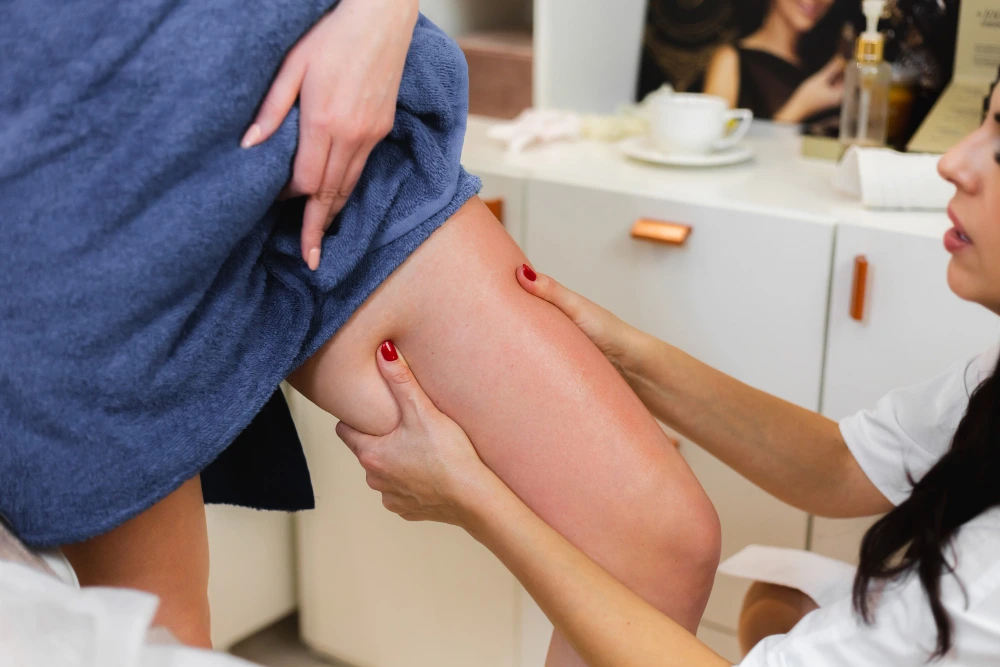
Varicose veins are a common vascular condition affecting millions worldwide. They occur when veins become enlarged, twisted, and often visible under the skin, primarily in the legs. Understanding what causes varicose veins and how to prevent them is essential for maintaining healthy circulation and reducing discomfort.
At Horizon Naupada Hospital, we provide comprehensive care for varicose veins, from prevention strategies to advanced treatments, ensuring patients receive expert guidance and personalized care.
What Are Varicose Veins?
Varicose veins are swollen, enlarged veins that often appear blue or dark purple. They occur when the valves in the veins, which help regulate blood flow, become weak or damaged, leading to blood pooling in the veins.
Common Symptoms of Varicose Veins:
- Visible, twisted, or bulging veins
- Leg heaviness or aching
- Swelling in the lower legs and ankles
- Burning, throbbing, or cramping sensations
- Skin discoloration around affected veins
While varicose veins are often a cosmetic concern, they can also cause discomfort and, in severe cases, lead to complications like ulcers or blood clots.
What Causes Varicose Veins?
The causes of varicose veins are multifactorial, including genetic, lifestyle, and health-related factors. Understanding these causes helps in early prevention and effective management.
1. Weak or Damaged Vein Valves
Veins contain one-way valves that prevent blood from flowing backward. When these valves weaken or fail, blood can pool, causing veins to stretch and twist.
Key Points:
- Valve dysfunction is the primary cause of varicose veins.
- Over time, increased pressure in veins exacerbates the condition.
2. Age
Aging increases the risk of varicose veins as veins lose elasticity, and valves may weaken over time.
Age-Related Risk:
- Under 30 years: Low risk
- 30–50 years: Moderate risk
- Above 50 years: High risk
3. Gender
Women are more likely to develop varicose veins due to hormonal influences.
Hormonal Causes Include:
- Pregnancy: Increased blood volume and pressure on veins
- Menopause: Reduced estrogen levels affect vein elasticity
- Hormonal therapies: Birth control pills or hormone replacement therapy
4. Genetics and Family History
A family history of varicose veins significantly increases the likelihood of developing the condition. If your parents or siblings have varicose veins, your risk is higher.
5. Obesity and Excess Weight
Carrying excess weight puts additional pressure on the veins in the legs, increasing the risk of valve dysfunction and varicose veins.
6. Prolonged Standing or Sitting
Occupations or lifestyles that involve long periods of standing or sitting can impair circulation, causing blood to pool in the legs.
Examples Include:
- Teachers and nurses (standing long hours)
- Office workers (sitting long hours without breaks)
7. Pregnancy
Pregnancy increases blood volume and hormonal changes that relax vein walls. Additionally, the growing uterus puts pressure on the veins in the pelvis and legs.
Pregnancy Tips:
- Elevate legs when resting
- Wear compression stockings
- Engage in light physical activity
8. Other Health Conditions
Certain conditions can increase pressure in the veins and contribute to varicose veins:
- Chronic constipation (straining increases abdominal pressure)
- Previous blood clots or deep vein thrombosis (DVT)
- Tumors or abnormal growths compressing veins
Table 1: Major Causes of Varicose Veins
| Cause | How It Contributes to Varicose Veins |
| Weak/Damaged vein valves | Blood pools, veins stretch and bulge |
| Age | Veins lose elasticity over time |
| Gender/Hormones | Pregnancy, menopause, hormonal therapy |
| Genetics/Family history | Inherited vein weakness |
| Obesity | Excess weight increases pressure on leg veins |
| Prolonged standing/sitting | Blood flow slows, causing pooling |
| Pregnancy | Increased blood volume and pressure on veins |
| Other health conditions | DVT, constipation, tumors affecting circulation |
How to Prevent Varicose Veins
Prevention is key to managing varicose veins, especially for those with risk factors. While not all varicose veins are preventable, the following strategies can reduce risk and slow progression:
1. Maintain a Healthy Weight
- Excess weight increases pressure on leg veins.
- Losing weight can relieve strain and improve circulation.
2. Stay Physically Active
- Regular exercise improves blood flow and strengthens leg muscles.
- Recommended activities include walking, swimming, cycling, and yoga.
3. Avoid Prolonged Sitting or Standing
- Take breaks to move around every 30–60 minutes.
- When standing, shift weight frequently or walk in place.
4. Elevate Your Legs
- Elevate legs above heart level for 15–20 minutes, 2–3 times daily.
- Helps reduce pressure in leg veins and promotes venous return.
5. Wear Compression Stockings
- Compression stockings support vein function and reduce swelling.
- Available in various pressures; consult a vascular specialist for guidance.
6. Healthy Diet
- Include high-fiber foods to prevent constipation, which can strain veins.
- Reduce salt intake to minimize water retention and swelling.
7. Avoid Tight Clothing
- Avoid tight belts, pants, or stockings that restrict blood flow in the waist, legs, or groin.
8. Elevate Feet While Sleeping
- Elevate feet slightly with a pillow to improve overnight blood circulation.
Treatment Options for Varicose Veins
If varicose veins develop despite preventive measures, Horizon Naupada Hospital provides effective treatment options to relieve symptoms and improve appearance:
1. Conservative Treatments
- Lifestyle modifications: Weight management, exercise, and leg elevation
- Compression therapy: Stockings to improve circulation and reduce swelling
2. Minimally Invasive Procedures
- Sclerotherapy: Injection of a solution to close small veins
- Endovenous laser therapy (EVLT): Laser treatment to seal damaged veins
- Radiofrequency ablation (RFA): Uses heat to close varicose veins
3. Surgical Options
- Vein stripping and ligation: Removal of large varicose veins
- Ambulatory phlebectomy: Small incisions to remove surface veins
Our vascular specialists tailor treatment based on the severity, location, and symptoms of varicose veins, ensuring optimal results with minimal recovery time.
Frequently Asked Questions (FAQs)
Q1. Can varicose veins go away on their own?
Mild varicose veins may not worsen, but they rarely disappear without treatment. Preventive measures and lifestyle changes can help manage symptoms.
Q2. Are varicose veins dangerous?
Most varicose veins are not dangerous but can lead to discomfort, swelling, and skin changes. Severe cases may cause ulcers or blood clots and require medical attention.
Q3. When should I see a doctor?
Seek medical advice if you experience:
- Persistent pain or swelling
- Skin ulcers near the veins
- Sudden redness or warmth (possible blood clot)
Q4. Can men get varicose veins?
Yes, men can also develop varicose veins, although it is more common in women.
Q5. Are compression stockings effective?
Yes, they help reduce symptoms and prevent progression, especially in early stages.
Conclusion
Understanding what causes varicose veins and how to prevent them is crucial for maintaining healthy legs and circulation. Genetics, aging, hormonal changes, lifestyle factors, and prolonged standing or sitting are major contributors to varicose veins.
Preventive measures, including maintaining a healthy weight, staying active, avoiding prolonged immobility, and wearing compression stockings, can significantly reduce risk and improve vein health.
At Horizon Naupada Hospital, we offer advanced diagnostic tools and personalized treatment options for varicose veins. Early intervention ensures better outcomes and improved quality of life.
Take Action: Schedule a consultation with our vascular specialists today to assess your risk, discuss preventive strategies, and explore treatment options for varicose veins. Your leg health is our priority.