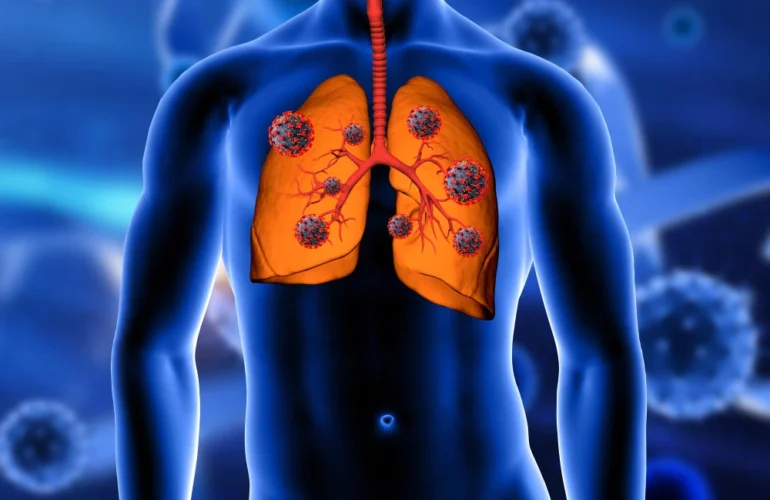
Asthma is a chronic respiratory condition affecting millions worldwide. It causes inflammation and narrowing of the airways, making breathing difficult. Understanding what causes asthma is essential for patients, caregivers, and healthcare providers to manage the condition effectively and improve quality of life.
In this detailed guide, we explore the many factors that contribute to asthma, from genetic predisposition and environmental influences to lifestyle and occupational triggers. Our aim is to provide trustworthy, accessible information to help you better understand the root causes and how to manage them.
What Is Asthma?
Asthma is a long-term condition that affects the airways, the tubes that carry air in and out of your lungs. In people with asthma, the airways are often inflamed and sensitive, reacting strongly to certain triggers.
Key Characteristics of Asthma
- Chronic inflammation of airways
- Intermittent wheezing (a whistling sound when breathing)
- Shortness of breath
- Chest tightness or pain
- Coughing, especially at night or early morning
Understanding What Causes Asthma
The exact cause of asthma remains complex and not fully understood. However, research has identified several key factors that contribute to the development and worsening of asthma symptoms.
These include:
- Genetic Factors
- Environmental Agents
- Allergic Sensitivity
- Lifestyle and Health Conditions
- Occupational Exposures
Let’s explore each in detail.
1. Genetic Factors
Family history plays a significant role in asthma risk. If one or both parents have asthma, allergies, or related conditions (like eczema), the likelihood of developing asthma increases.
A. Hereditary Links
- Asthma genes influence immune system response.
- Genetic predispositions affect airway inflammation.
- Linked traits include atopy, a tendency to develop allergic reactions.
B. Family History Table – Asthma Risk
| Family History Factor | Relative Risk Increase |
| One parent with asthma | Moderate |
| Both parents with asthma | High |
| Family history of allergies | Elevated |
| No family history | Lower |
2. Environmental Causes of Asthma
Environmental factors significantly influence what causes asthma or triggers asthmatic responses. These include:
- Air pollution
- Tobacco smoke exposure
- Indoor irritants (dust mites, mold)
- Outdoor allergens (pollen, pollution)
A. Air Pollution
Airborne particles from vehicles, industrial emissions, and smoke can irritate the airways. This is especially relevant in urban and industrial areas.
B. Tobacco Smoke
Exposure to second-hand smoke, especially during childhood, increases asthma risk and severity. Smoking during pregnancy also heightens risk in infants.
C. Allergens at Home and Outdoors
Common allergens include:
- Dust mites
- Pet dander
- Cockroach droppings
- Mold spores
- Pollen (seasonal)
These substances can trigger inflammation and asthma symptoms in sensitive individuals.
3. Allergic Sensitivity & Immune Response
Asthma often overlaps with allergic responses. When the immune system overreacts to harmless substances, it triggers inflammation and airway constriction, fundamental processes in asthma.
A. Allergic Asthma
This is the most common form of asthma, where allergens trigger symptoms. It may be seasonal (e.g., pollen) or perennial (e.g., dust mites).
B. Immune System Mechanism
When exposed to allergens, the immune system releases chemicals like histamine, causing:
- Airway inflammation
- Mucus production
- Muscle tightening around airways
4. Lifestyle and Health Conditions
Certain lifestyle factors and health conditions are linked with what causes asthma or may exacerbate symptoms.
A. Obesity
Research shows obesity may increase the risk of asthma and worsen symptoms due to:
- Increased inflammation
- Reduced lung function
- Greater stiffness in chest wall
B. Respiratory Infections
Early childhood infections (like RSV or bronchitis) may increase asthma risk later in life or worsen existing asthma.
C. Stress and Emotional Factors
Stress can influence asthma by affecting immune and inflammatory responses. Emotional triggers can intensify symptoms in some individuals.
5. Occupational Exposures
Asthma may develop or worsen due to substances encountered at work.
Common Occupational Triggers
- Chemical fumes (e.g., cleaning agents)
- Dust from wood or grain
- Industrial gases
- Latex
Occupational asthma occurs when these agents cause airway inflammation over time.
Common Triggers That Worsen Asthma Symptoms
Even if these factors don’t directly cause asthma, they can trigger symptoms or asthma attacks:
- Exercise (especially in cold, dry conditions)
- Respiratory infections (cold or flu)
- Weather changes (cold air, humidity)
- Strong odors or fumes
- Airborne irritants
- Stress or anxiety
How Asthma Develops: A Step-by-Step Overview
Understanding the biological process helps explain why certain factors trigger asthma.
- Exposure to Trigger
- Allergen, pollutant, or irritant enters the airways.
- Immune System Activation
- The body perceives the trigger as harmful.
- Inflammatory chemicals are released.
- Inflammation and Swelling
- Airway linings swell.
- Muscle spasms narrow the airways.
- Breathing Difficulty
- Increased mucus production.
- Restricted airflow leads to symptoms like wheezing and coughing.
Diagnosing Asthma
Accurate diagnosis is essential to effective management. Healthcare providers use:
- Medical history and symptom review
- Physical examination
- Spirometry (lung function test)
- Peak flow monitoring
Sometimes additional tests like allergy testing or chest imaging are recommended.
Symptoms Checklist
Here’s a quick reminder of common asthma symptoms:
- Wheezing (especially on exhale)
- Shortness of breath
- Chest tightness or pressure
- Frequent coughing (especially at night or early morning)
Asthma Risk Factors
Researchers have identified several risk factors that increase the likelihood of developing asthma:
- Family history of asthma or allergies
- Childhood respiratory infections
- Exposure to tobacco smoke early in life
- Living in areas with high air pollution
- Obesity
- Occupational exposures
Managing and Preventing Asthma Symptoms
While what causes asthma can vary, managing triggers and following medical guidance helps control symptoms and reduce attacks.
A. Medications
Asthma medications fall into two main categories:
- Quick-relief (rescue) inhalers: Provide fast symptom relief
- Long-term control medications: Reduce inflammation and prevent symptoms
Always follow your doctor’s instructions.
B. Avoiding Triggers
Key strategies include:
- Reducing exposure to allergens (dust-proof your home)
- Avoiding tobacco smoke
- Monitoring air quality
- Managing stress
C. Regular Monitoring
Using tools like a peak flow meter helps track breathing patterns and detect early signs of worsening asthma.
Asthma in Children vs Adults
Though asthma affects both children and adults, differences exist:
In Children
- Often linked with allergies
- Symptoms may change with growth
- Early environment plays an important role
In Adults
- Occupational exposures are more common triggers
- Symptoms may develop later in life even without childhood asthma history
- Other health conditions (e.g., obesity) can complicate symptoms
Comparing Common Asthma Causes
| Cause Type | Example | How It Affects Asthma |
| Genetic | Family history | Increases baseline risk |
| Environmental | Pollution, smoke | Irritates airways |
| Allergic | Dust mites, pollen | Triggers immune responses |
| Lifestyle-related | Obesity, infections | Worsens inflammation |
| Occupational | Chemical exposure | Causes airway irritation |
When to See a Doctor
Seek medical help if:
- Symptoms worsen or occur frequently
- Rescue inhaler use increases
- Symptoms interfere with daily activities
- You experience severe shortness of breath
Early intervention reduces complications and improves outcomes.
Asthma and Quality of Life
With proper management, most people with asthma lead full, active lives. Key components of effective asthma care include:
- Personalized asthma action plan
- Regular check-ups
- Trigger avoidance
- Medication adherence
- Education and self-monitoring
Conclusion
Understanding what causes asthma requires recognizing that asthma is influenced by a combination of genetic, environmental, lifestyle, and occupational factors. While the condition can’t always be prevented, identifying personal triggers, seeking proper medical care, and making lifestyle adjustments significantly improve symptom control.
If you suspect you have asthma or your symptoms are worsening, consult a qualified healthcare professional at Horizon Naupada to receive a comprehensive evaluation and personalized treatment plan. Managing asthma effectively empowers you to breathe easier and live better.