
You should see a vascular surgeon when you notice symptoms that suggest poor blood flow, weakened blood vessels, or venous insufficiency. Common signs include leg pain, swelling, and visible varicose veins, particularly if they worsen over time. Non-healing wounds, numbness or coldness in your feet or legs, skin discoloration, and sudden changes in limb temperature or sensation also warrant medical attention. Similarly, if you detect a pulsating lump in the abdomen or groin, or have a history of diabetes, hypertension, or smoking, an early vascular evaluation becomes essential.
Vascular evaluation becomes necessary when you experience persistent discomfort, heaviness, or fatigue in the legs, especially while walking or standing for long durations. If you observe skin changes like darkening, thickening, or ulcer formation, it may suggest advanced venous disease. Painful or bleeding varicose veins, sudden coldness or numbness in a limb, and signs of restricted blood flow such as cramping during activity should not be ignored. Any non-healing foot ulcer, especially in diabetic patients, can be a sign of severe arterial blockage and requires immediate assessment.
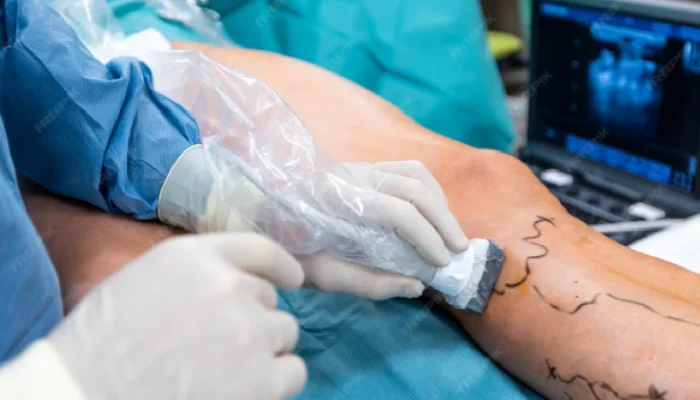
Treatment varies depending on the diagnosis and the severity of the vascular condition. In early stages, medications, exercise therapy, and lifestyle changes may help improve circulation and reduce symptoms. For more serious conditions, minimally invasive endovascular procedures such as angioplasty, stenting, or catheter-based therapies are often recommended because they involve smaller incisions, less pain, and quicker recovery. In select cases, open surgical procedures like bypass surgery or aneurysm repair may be necessary to techniques like endovenous laser ablation, radiofrequency ablation, or sclerotherapy, which target the diseased vein and improve circulation.
restore proper blood flow. Varicose veins can be treated through advanced
Yes. Many vascular conditions that appear minor initially can progress into severe or life-threatening issues if neglected. Varicose veins, for example, can lead to chronic swelling, skin damage, and venous leg ulcers. Untreated arterial blockages can cause worsening pain, tissue damage, and even amputation in advanced cases. Blood clots (such as deep vein thrombosis) may travel to the lungs and cause a pulmonary embolism, which is a medical emergency. Similarly, aneurysms can enlarge silently over time and rupture without warning. Timely diagnosis and treatment prevent complications and significantly improve long-term health outcomes.
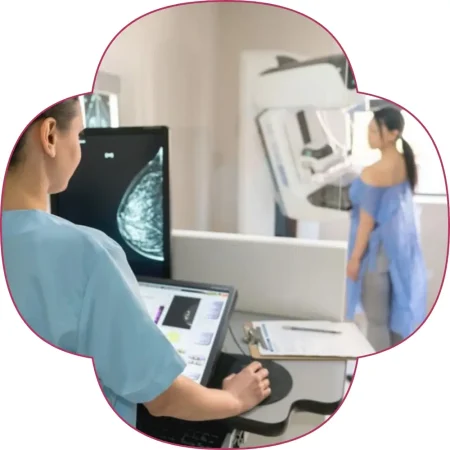
A specialized vascular care center offers comprehensive evaluation and advanced treatment options under one roof. Patients benefit from the expertise of trained vascular and endovascular surgeons who use sophisticated imaging techniques to diagnose conditions accurately. These centers are equipped with modern operation theatres and state-of-the-art endovascular technology that enables precision-driven procedures with minimal downtime. They also provide structured pre-operative planning, post-operative care, and emergency support for time-sensitive conditions like aneurysm rupture or acute limb ischemia. Choosing a dedicated center ensures safer treatment, faster recovery, and long-lasting relief for both arterial and venous disorders.
Horizon Hospital is a Multi-specialty hospital situated in the heart of Thane city. Horizon Hospital holds pride in being able to deliver quality services to their patients. We are a Centre for Critical Care and Services and are manned with a highly qualified staff that includes a Critical Care Consultant, emergency medicine trained doctors & qualified & experienced nurses. We do understand that critical care is essential during emergencies.
Real experiences shared by the people we care for
Reach out and our team will guide you