Introduction
Hypertension, or high blood pressure, affects millions worldwide and often develops quietly over the years. Because it rarely produces obvious symptoms early on, it’s sometimes called the silent killer. Yet even subtle clues in day-to-day life can indicate rising blood pressure. Recognising these early signs, understanding risk factors, and adopting preventive habits can dramatically reduce the chances of heart attack, stroke, or kidney disease.
What Is Hypertension?
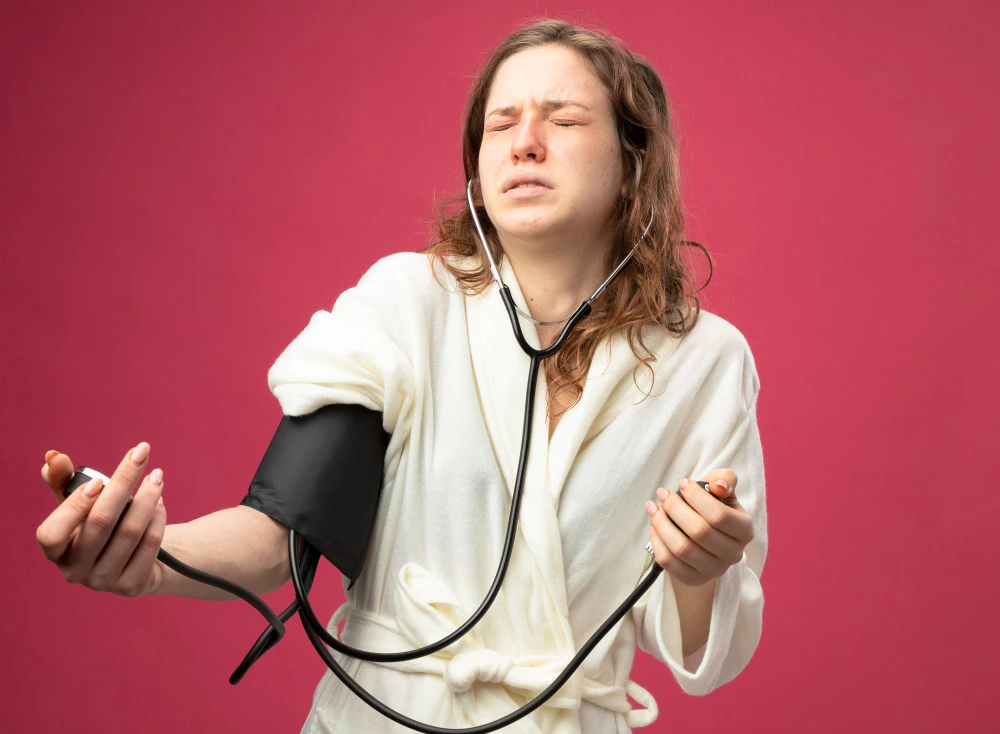
Blood pressure measures the force of blood pushing against artery walls. When this force remains elevated for long periods, arteries harden and narrow, making the heart work harder. Two readings determine pressure:
- Systolic pressure – pressure when the heart beats.
- Diastolic pressure – pressure when the heart rests between beats.
A normal range is usually around 120/80 mmHg. Anything consistently above 130/80 mmHg is considered high.
Early Signs to Watch For
- Headaches and Pressure in the Head
Recurring morning headaches or heaviness behind the eyes may hint at elevated pressure in blood vessels. - Dizziness and Blurred Vision
Sudden light-headedness or momentary blurring of vision can occur when arteries supplying the brain or eyes are strained. - Shortness of Breath and Fatigue
If daily activities feel unusually tiring, the heart may be struggling to pump efficiently against high pressure. - Palpitations or Irregular Heartbeat
Persistent awareness of one’s heartbeat or fluttering sensations can accompany long-term hypertension. - Nosebleeds and Facial Flushing
Though uncommon, spontaneous nosebleeds or flushing can coincide with spikes in blood pressure.
Common Risk Factors
- High-salt or processed-food diet
- Physical inactivity
- Smoking and excessive alcohol use
- Chronic stress or anxiety
- Family history of hypertension
- Diabetes, obesity, or kidney disease
Possible Complications if Ignored
Untreated hypertension damages the heart, brain, eyes, and kidneys. It’s a leading cause of heart failure, stroke, and vision loss. Early detection through routine screening prevents these outcomes.
Lifestyle and Prevention Tips
- Reduce salt intake and processed foods.
- Include fruits, vegetables, and whole grains daily.
- Maintain regular physical activity (30 minutes most days).
- Avoid smoking and limit alcohol.
- Manage stress through yoga, meditation, or breathing exercises.
Conclusion
Hypertension develops silently but leaves a lasting impact. Recognising warning signs such as persistent headaches, dizziness, or fatigue, and seeking timely care can make all the difference. Regular check-ups and blood-pressure monitoring at Horizon Naupada help detect and manage hypertension early, ensuring a stronger heart and a healthier future.